










Breaking News
 Artemis II Astronauts Set For Historic Lunar Flyby: What To Know
 Iraq Tells Buyers To Collect Crude Which Can Now Cross Hormuz,...
 Trump Says Tuesday Deadline For Iran To Accept Ceasefire 'Final, Won't Change';
 Scientists Quietly Pitching Cloned Human Bodies To Transfer Your Brain Into
Top Tech News
 DARPA O-Circuit program wants drones that can smell danger...
 Practical Smell-O-Vision could soon be coming to a VR headset near you
 ICYMI - RAI introduces its new prototype "Roadrunner," a 33 lb bipedal wheeled robot.
 Pulsar Fusion Ignites Plasma in Nuclear Rocket Test
 Details of the NASA Moonbase Plans Include a Fifteen Ton Lunar Rover
 THIS is the Biggest Thing Since CGI
 BACK TO THE MOON: Crewed Lunar Mission Artemis II Confirmed for Wednesday...
 The Secret Spy Tech Inside Every Credit Card
 Red light therapy boosts retinal health in early macular degeneration
 Hydrogen-powered business jet edges closer to certification


Scientists Quietly Pitching Cloned Human Bodies To Transfer Your Brain Into
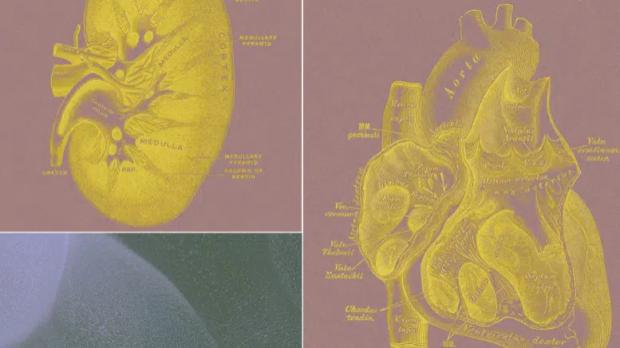
This story seems to be from the Babylon Bee, but it is not. These "scientists", fully steeped in the mind of a Technocrat, are on a fool's errand to create brainless clones or "organ sacks" as long as the money holds out. The larger problem is the billionaires who shovel the money at them in the vain hope of escaping death. They are all deluded and, like the blind leading the blind, both are destined to fall into the pit. ? Patrick Wood, Editor.
Since the mid-1990s, scientists have been obsessed with cloning animals. Dolly the sheep famously became the first mammal to be cloned from a cell taken from an adult mammary gland almost 30 years ago, in 1996.
Transitioning from cloning animal embryos to human ones has proven far more controversial, and not only because of the litany of risks involved. So far, scientists have only gone as far as to generate human embryo models grown stem cells and clone primates from fetal cells — rather than adult cells, like Dolly.
That hasn't stopped some from exploring the idea as part of a secretive effort to realize an alternative to anti-aging tech that sounds like it was ripped straight out of a dystopian science fiction novel. A billionaire-backed stealth startup, called R3 Bio, recently announced that it was raising money to develop non-sentient monkey "organ sacks," as Wired reported last week, an eyebrow-raising alternative to animal testing. Such structures would contain all typical organs excluding the brain, ultimately serving as a source for donor organs and tissues.