










Breaking News
 Powerful Pro-life Ad Set to Air During Super Bowl 'Adoption is an Option' (Video)
 Even in Winter, the Sun Still Shines in These Citrus Recipes
 Dates: The Ancient Fertility Remedy Modern Medicine Ignores Amid Record Low Birth Rates
 Amazon's $200 Billion Spending Shock Reveals Big Tech's Centralization Crisis
Top Tech News
 How underwater 3D printing could soon transform maritime construction
 Smart soldering iron packs a camera to show you what you're doing
 Look, no hands: Flying umbrella follows user through the rain
 Critical Linux Warning: 800,000 Devices Are EXPOSED
 'Brave New World': IVF Company's Eugenics Tool Lets Couples Pick 'Best' Baby, Di
 The smartphone just fired a warning shot at the camera industry.
 A revolutionary breakthrough in dental science is changing how we fight tooth decay
 Docan Energy "Panda": 32kWh for $2,530!
 Rugged phone with multi-day battery life doubles as a 1080p projector
 4 Sisters Invent Electric Tractor with Mom and Dad and it's Selling in 5 Countries



"PROJECT LIBERTY" A Secret Data Center Was Approved During a Snow Storm While No One Was
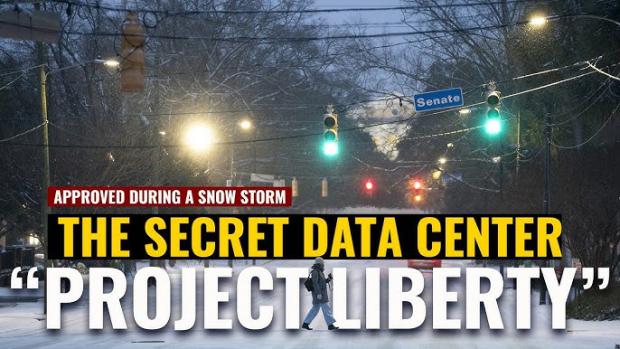
A $2.4 billion data center was approved in a rural county - under a code name - while residents were preparing for a winter storm.
In January, Marion County, South Carolina quietly approved "Project Liberty," a hyperscale data center project, using a non-disclosure agreement that limited what could be publicly discussed before the vote.
This video breaks down:
• How code-named projects move through local government
• Why NDAs are used in economic development deals
• What tax abatements really mean for rural counties
• The gap between headline investment numbers and permanent jobs
• Why water and power are the real stakes in data center siting
This isn't about being anti-development.
It's about transparency, process, and precedent - especially when billion-dollar decisions are made with minimal public understanding.
Full investigative reporting and documents are available on Yanasa TV Substack: https://www.yanasa.tv/