










Breaking News
 "You Must Prepare Now" - Doug Casey
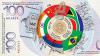 Will the BRICS 'UNIT' really challenge the dollar?
 The U.S. Just Launched a Secret Dollar Empire (And Nobody Noticed)
 ICE Uses a Growing Web of AI Services to Power Its Immigration Enforcement and Surveillance
Top Tech News
 EngineAI T800: Born to Disrupt! #EngineAI #robotics #newtechnology #newproduct
 This Silicon Anode Breakthrough Could Mark A Turning Point For EV Batteries [Update]
 Travel gadget promises to dry and iron your clothes – totally hands-free
 Perfect Aircrete, Kitchen Ingredients.
 Futuristic pixel-raising display lets you feel what's onscreen
 Cutting-Edge Facility Generates Pure Water and Hydrogen Fuel from Seawater for Mere Pennies
 This tiny dev board is packed with features for ambitious makers
 Scientists Discover Gel to Regrow Tooth Enamel
 Vitamin C and Dandelion Root Killing Cancer Cells -- as Former CDC Director Calls for COVID-19...
 Galactic Brain: US firm plans space-based data centers, power grid to challenge China



Silver, Supply Chains, and the Reassertion of the Monroe Doctrine

Silver reflects that shift in real time more than other assets. It's price movement is being registered before policy formalizes changes already visible in physical flows.
Silver has been the most suppressed asset on earth, and it therefore has the most to gain. Below we explain what we believe is happening behind the price action and why it should continue for quite some time.
Executive Summary
Silver's recent price behavior is not the result of speculative enthusiasm or retail excess. It reflects a structural contest over natural resources in the Western Hemisphere, as the United States moves to displace China from Latin American supply chains. What appears as volatility is the market registering a geopolitical realignment already underway.
Silver is not moving because of speculation. It is moving because control over supply chains is changing.
I. China's Five-Year Offtake Strategy
For roughly the past five years, China has pursued a deliberate strategy of acquiring raw materials directly from source. In Latin America, this meant buying silver, precious metals, and base metals in concentrate or doré form directly from mines, bypassing traditional market channels.
By purchasing offtake before final production, China secured supply before price discovery. The metal never reached open exchanges, never faced transparent competition, and never reflected market-clearing prices. It was acquired upstream and quietly absorbed into China's processing systems
This strategy concentrated heavily in Latin America. Producers were offered higher prices for raw material and long-term certainty. Many accepted. Over time, visible supply chains thinned, while price signals became increasingly detached from physical availability.
During this period, the United States failed to respond. Supply chain control eroded gradually, not through collapse, but through neglect.
China was not buying silver at market prices. It was buying supply before markets ever saw it.