










Breaking News
 The AI Bird-Flu Scenario They Just Published
 Japan's first robot ambulance works the 9-1-1 lines for humanoids
 Cheap smartphone add-on pinpoints hidden cameras to shut down spies
 The $600 Tank That Beats a $10,000 Powerwall
Top Tech News
 BEYOND THE MOON: NASA plans a nuclear-powered fleet to push DEEPER into space
 Big Oil Backs Mazama's $135 Million Bet On Superhot Geothermal
 Quantum compass takes flight on Northrop's Lumberjack drone
 Terrifying AI Behavior Even Its Creators Couldn't Explain
 WW3 Near-Miss? AI Hallucinated Nuclear Weapons Components Aboard Chinese Vessel Bound For Iran
 Stripe Is Building the Toll Road for the Machine Economy
 Toyota Dakar hopeful swaps twin-turbo V6 for hydrogen fuel cells
 4-min turbo-inflatable cubic camp castle is now available in the USA
 Researchers Used Claude To Hack OpenAI Employee Accounts
 Chinese Scientists Develop New Oil Refining Method That Cuts Energy Use by 90%



First-ever drug to repair DNA and regenerate damaged tissue is here
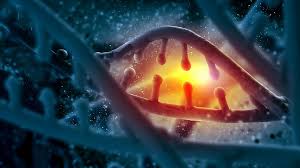
Researchers at Cedars-Sinai made the breakthrough after first developing a technique to isolate progenitor cells from the heart. These cells, much like stem cells, can form new healthy tissue but in a more targeted way. In other words, these cells taken from the heart can help restore function to that organ.
Medical scientist Eduardo Marbán – then at Johns Hopkins and now Cedars-Sinai – found that heart progenitor cells also have a special mechanism where they send out sacs, known as exosomes, which carry molecules of DNA, RNA and protein between cells and can repair and regenerate damaged tissue.
"Exosomes are like envelopes with important information," said first author Ahmed Ibrahim, PhD, MPH, an associate professor in the Department of Cardiology in the Smidt Heart Institute. "We wanted to take apart these coded messages and figure out which molecules were, themselves, therapeutic."
The team worked to unpack what was in those healing sacs, sequencing the exosomal RNA material and finally landeing on one molecule that was more prominent than others. Focusing on this one RNA molecule, animal studies confirmed the researchers' hypothesis that it played a key role in facilitating tissue repair.
Fast-forward two decades and the scientists have finally fabricated this naturally occurring RNA molecule in the lab – the synthetic healer known as TY1.
"By probing the mechanisms of stem cell therapy, we discovered a way to heal the body without using stem cells," said senior author Marbán, MD, PhD, executive director of the Smidt Heart Institute at Cedars-Sinai. "TY1 is the first exomer – a new class of drugs that address tissue damage in unexpected ways."
TY1 has the structure of existing RNA drugs, and works like its natural version – amplifying the activity of the Trex1 gene, which increases the activity of immune cells that rally around damaged DNA and clear out the junk, allowing for the repair and regeneration to take place. This process is critical in the wake of a heart attack to minimize cellular scarring left from the event.
Studies have demonstrated that DNA damage plays a critical role in the development of pressure overload–induced heart failure, dilated cardiomyopathy and aging-related cardiac conditions, and this damage to myocardial tissue is a large factor in how well someone recovers from a heart attack. Essentially, the less damage you have the better your long-term prognosis. Stimulating the cellular "recovery team," through this novel experimental drug, boosts the body's ability to repair itself.
And it doesn't stop at heart tissue damage repair.
"By enhancing DNA repair, we can heal tissue damage that occurs during a heart attack," Ibrahim said. "We are particularly excited because TY1 also works in other conditions, including autoimmune diseases that cause the body to mistakenly attack healthy tissue. This is an entirely new mechanism for tissue healing, opening up new options for a variety of disorders."
Following on from animal models, TY1 will next be studied in a clinical trial. If the drug performs as expected in humans, it paves the way for a new class of therapeutics that can help mitigate a broad range of cellular damage caused by both sudden adverse events and chronic inflammatory conditions.