










Breaking News
 The AI Bird-Flu Scenario They Just Published
 Japan's first robot ambulance works the 9-1-1 lines for humanoids
 Cheap smartphone add-on pinpoints hidden cameras to shut down spies
 The $600 Tank That Beats a $10,000 Powerwall
Top Tech News
 BEYOND THE MOON: NASA plans a nuclear-powered fleet to push DEEPER into space
 Big Oil Backs Mazama's $135 Million Bet On Superhot Geothermal
 Quantum compass takes flight on Northrop's Lumberjack drone
 Terrifying AI Behavior Even Its Creators Couldn't Explain
 WW3 Near-Miss? AI Hallucinated Nuclear Weapons Components Aboard Chinese Vessel Bound For Iran
 Stripe Is Building the Toll Road for the Machine Economy
 Toyota Dakar hopeful swaps twin-turbo V6 for hydrogen fuel cells
 4-min turbo-inflatable cubic camp castle is now available in the USA
 Researchers Used Claude To Hack OpenAI Employee Accounts
 Chinese Scientists Develop New Oil Refining Method That Cuts Energy Use by 90%



Green vs. yellow bananas: How ripeness impacts gut health, blood sugar and cancer risk
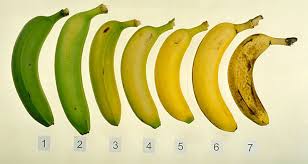
While Big Food pushes sugary, processed snacks, nature's perfect portable food offers a spectrum of benefits depending on ripeness. But which is truly the healthiest? The answer may surprise you.
Green bananas, often overlooked in favor of their sweeter, yellow counterparts, are packed with gut-healing resistant starch and fiber. Ripe bananas provide quick energy and antioxidants, while overripe ones are gentlest for sensitive stomachs. Even more startling? A groundbreaking study reveals green bananas may slash cancer risk by over 60% in high-risk individuals. Here's the science-backed truth.
The ripening process: A nutritional transformation
Bananas undergo dramatic biochemical changes as they ripen. "Ripening is genetically programmed and includes biochemical and physiological changes, which result in the transformation in taste, texture, and smell," explains Rachel Gargano, chief registered dietitian at Live It Up. Enzymes like amylase break down starch into sugars, softening the fruit and increasing sweetness. But this process also alters how the body metabolizes bananas, impacting blood sugar, digestion, and even disease prevention.
While vitamins (like potassium and B6) remain stable, the starch-to-sugar ratio shifts dramatically. Green bananas contain up to 80% resistant starch, while overripe bananas are nearly all sugar. This isn't just about taste; it's about how your body uses fuel.
Green bananas: The gut-healing, cancer-fighting powerhouse
Unripe bananas are a staple in traditional diets worldwide, often cooked like vegetables. Their high resistant starch content acts as a prebiotic, feeding beneficial gut bacteria. "Due to the high fiber intake, an unripe banana is going to be most beneficial for digestion," says registered dietitian Courtney Pelitera. "It helps promote regular bowel movements and improve the gut microbiome."
But the benefits go further. A 2024 Japanese study found women eating two bananas daily saw improved gut health markers. Even more compelling? A UK study published in Cancer Prevention Research revealed that resistant starch equivalent to one green banana daily reduced upper gastrointestinal cancers by 60% in Lynch syndrome patients. "We found that resistant starch reduces a range of cancers by over 60%," said Professor John Mathers, a nutrition expert at Newcastle University. The effect lasted a decade after participants stopped the regimen.