










Breaking News
 WATCH LIVE: Trump addresses 2026 United Nations General Assembly
 The current decline in US bonds is unprecedented:
 The article is getting a lot of attention.
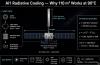 SpaceX Starmind AI in Space Radiator
Top Tech News
 BEYOND THE MOON: NASA plans a nuclear-powered fleet to push DEEPER into space
 Big Oil Backs Mazama's $135 Million Bet On Superhot Geothermal
 Quantum compass takes flight on Northrop's Lumberjack drone
 Terrifying AI Behavior Even Its Creators Couldn't Explain
 WW3 Near-Miss? AI Hallucinated Nuclear Weapons Components Aboard Chinese Vessel Bound For Iran
 Stripe Is Building the Toll Road for the Machine Economy
 Toyota Dakar hopeful swaps twin-turbo V6 for hydrogen fuel cells
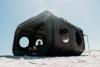 4-min turbo-inflatable cubic camp castle is now available in the USA
 Researchers Used Claude To Hack OpenAI Employee Accounts
 Chinese Scientists Develop New Oil Refining Method That Cuts Energy Use by 90%



Scientists say they may have discovered a shocking cause of autism
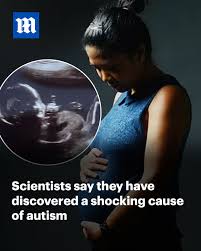
The new research, which tracked the development of over 600 infants, found that higher levels of chemical bisphenol A (BPA) in a pregnant mother's urine more than tripled the chances that a young boy would develop autism symptoms by age two.
Worse, those same boys were six times more likely to be diagnosed with autism by age 11 — compared to those whose mothers had lower BPA levels during pregnancy.
BPA, a chemical intended to harden plastics and prevent metals from rusting, among other uses, has also been linked to higher risks of obesity, asthma, diabetes, and heart diseases across over two decades of increasing scrutiny on the compound.