










Breaking News
 WATCH LIVE: Trump addresses 2026 United Nations General Assembly
 The current decline in US bonds is unprecedented:
 The article is getting a lot of attention.
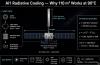 SpaceX Starmind AI in Space Radiator
Top Tech News
 BEYOND THE MOON: NASA plans a nuclear-powered fleet to push DEEPER into space
 Big Oil Backs Mazama's $135 Million Bet On Superhot Geothermal
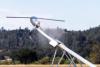 Quantum compass takes flight on Northrop's Lumberjack drone
 Terrifying AI Behavior Even Its Creators Couldn't Explain
 WW3 Near-Miss? AI Hallucinated Nuclear Weapons Components Aboard Chinese Vessel Bound For Iran
 Stripe Is Building the Toll Road for the Machine Economy
 Toyota Dakar hopeful swaps twin-turbo V6 for hydrogen fuel cells
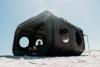 4-min turbo-inflatable cubic camp castle is now available in the USA
 Researchers Used Claude To Hack OpenAI Employee Accounts
 Chinese Scientists Develop New Oil Refining Method That Cuts Energy Use by 90%



Mission from DARPA: Create food from thin air
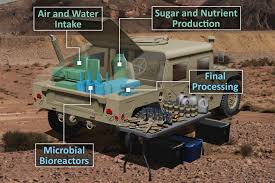
For a team of Johns Hopkins researchers, the challenge of feeding people during times of crisis or conflict is an opportunity to dramatically reinvent how food is made: out of almost nothing.
The Johns Hopkins Applied Physics Laboratory is home to one of four teams selected for the Defense Advanced Research Projects Agency's (DARPA) Cornucopia program, attempting to unlock the potential to produce nutritionally complete, palatable foods in the field. The group is using electricity to capture water, carbon dioxide, nitrogen and trace minerals from the air and then producing a rich, glucose-based material (called feedstock) on which to grow microbial food products.