










Breaking News
 This is the future we shall bring into being
 Elon Musk's Vision For The Future Looks Like A Movie
 Phosphorus Munitions Fired by Israel Burn Groves, Orchards in Southern Lebanon
 Iran's IRGC Warns It Will Expand 'Geography of the War' If the US Attacks Again
Top Tech News
 BEYOND THE MOON: NASA plans a nuclear-powered fleet to push DEEPER into space
 Big Oil Backs Mazama's $135 Million Bet On Superhot Geothermal
 Quantum compass takes flight on Northrop's Lumberjack drone
 Terrifying AI Behavior Even Its Creators Couldn't Explain
 WW3 Near-Miss? AI Hallucinated Nuclear Weapons Components Aboard Chinese Vessel Bound For Iran
 Stripe Is Building the Toll Road for the Machine Economy
 Toyota Dakar hopeful swaps twin-turbo V6 for hydrogen fuel cells
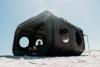 4-min turbo-inflatable cubic camp castle is now available in the USA
 Researchers Used Claude To Hack OpenAI Employee Accounts
 Chinese Scientists Develop New Oil Refining Method That Cuts Energy Use by 90%



Sleek T-frame home unfolds in 5 hours, is quake/tornado proof
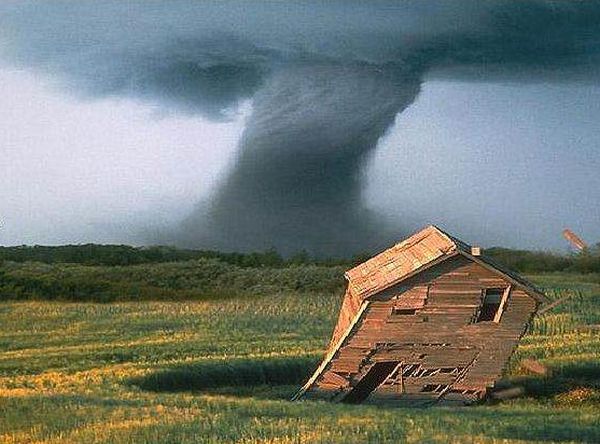
The wooden houses are prefabricated, loaded onto trucks for transport and unfolded on site in hours (adding the windows, drywall and interior finishings takes about two weeks).
The first design was the Model A (an A-frame), but the company soon released the Model-T (for "trapezoid") to gain more space on the second floor. There is no need for a concrete foundation since the homes can be placed on screw piles. The homes begin around 51 (550 square feet) and can grow depending on how many modules one purchases. The only limitation is the modules need to be placed in line, so the company suggests stopping at the "villa" size of 127 square meters (1367 square feet). The units are prefabbed with a selection of cladding, roofing and flooring.
The homes can also be folded back up and moved, as easily as they unfold, making it possible to reuse them at a new location. The hinge system construction also provides flexibility in the home during an earthquake, allowing it to "disperse the energy of earth tremors" and weather seismic phenomena.