










Breaking News
 This is the future we shall bring into being
 Elon Musk's Vision For The Future Looks Like A Movie
 Phosphorus Munitions Fired by Israel Burn Groves, Orchards in Southern Lebanon
 Iran's IRGC Warns It Will Expand 'Geography of the War' If the US Attacks Again
Top Tech News
 BEYOND THE MOON: NASA plans a nuclear-powered fleet to push DEEPER into space
 Big Oil Backs Mazama's $135 Million Bet On Superhot Geothermal
 Quantum compass takes flight on Northrop's Lumberjack drone
 Terrifying AI Behavior Even Its Creators Couldn't Explain
 WW3 Near-Miss? AI Hallucinated Nuclear Weapons Components Aboard Chinese Vessel Bound For Iran
 Stripe Is Building the Toll Road for the Machine Economy
 Toyota Dakar hopeful swaps twin-turbo V6 for hydrogen fuel cells
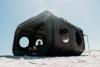 4-min turbo-inflatable cubic camp castle is now available in the USA
 Researchers Used Claude To Hack OpenAI Employee Accounts
 Chinese Scientists Develop New Oil Refining Method That Cuts Energy Use by 90%



Progress to All Polymer Battery
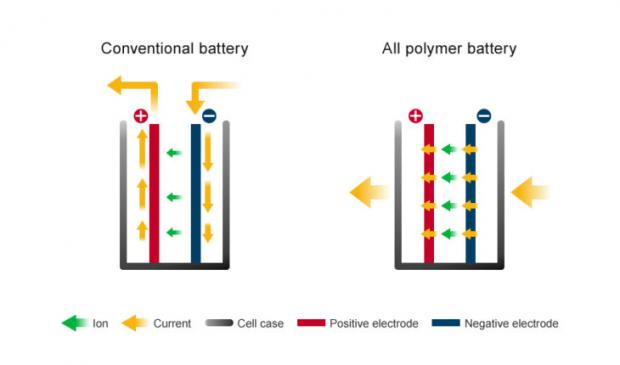
He says this approach dramatically simplifies and speeds up manufacturing, making it as easy as "buttering toast."
They make 10-meter-long battery sheets which are stacked on top of each other to increase capacity. These resin-based batteries are also resistant to catching fire when punctured.
In March, APB raised $74 million. This will be used to build a plant in central Japan with 1 gigawatt-hour capacity by 2023.
APB will first focus on stationary batteries used in buildings, offices and power plants. The stationary battery market will be worth $100 billion by 2025 worldwide — more than five times its size last year — according to estimates by Wood Mackenzie.
APB has already lined up its first customer, a large Japanese company whose niche and high-value-added products sell mostly oversea
Nissan is also working on all polymer batteries. Nissan licensed the technology to APB in 2018.