










Breaking News
 15 Years After Occupy, the Case Against the System Has Never Been Clearer
 8 Prepper Hacks for Cleaning Without Running Water
 The Economy Is Stagnating
 Britain To Appoint A Dedicated Tax Agent To Every Single Billionaire
Top Tech News
 BEYOND THE MOON: NASA plans a nuclear-powered fleet to push DEEPER into space
 Big Oil Backs Mazama's $135 Million Bet On Superhot Geothermal
 Quantum compass takes flight on Northrop's Lumberjack drone
 Terrifying AI Behavior Even Its Creators Couldn't Explain
 WW3 Near-Miss? AI Hallucinated Nuclear Weapons Components Aboard Chinese Vessel Bound For Iran
 Stripe Is Building the Toll Road for the Machine Economy
 Toyota Dakar hopeful swaps twin-turbo V6 for hydrogen fuel cells
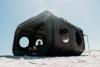 4-min turbo-inflatable cubic camp castle is now available in the USA
 Researchers Used Claude To Hack OpenAI Employee Accounts
 Chinese Scientists Develop New Oil Refining Method That Cuts Energy Use by 90%



A Neuroscience Startup Uses Helmets to Measure Brain Activity

Either way, true insights are hard to come by, and for now, the quest to know thyself remains as elusive as ever.
Kernel, a startup based in Culver City, Calif., says it aims to transform brain science from an esoteric art to a big business. It's found a way to shrink the machines used by researchers and make them cheaper. In an interview with Bloomberg Businessweek, Kernel unveiled for the first time a pair of devices—basically helmets—that can see and record brain activity, enabling scientists to more easily analyze neurons as they fire and reveal more about how the mind works. "This triggers a new era of access to the mind and the ability to ask all sorts of new questions about ourselves," says Bryan Johnson, the company's founder and chief executive officer. (Kernel will not reveal the helmets to the public until later this year.)