










Breaking News
 15 Years After Occupy, the Case Against the System Has Never Been Clearer
 8 Prepper Hacks for Cleaning Without Running Water
 The Economy Is Stagnating
 Britain To Appoint A Dedicated Tax Agent To Every Single Billionaire
Top Tech News
 BEYOND THE MOON: NASA plans a nuclear-powered fleet to push DEEPER into space
 Big Oil Backs Mazama's $135 Million Bet On Superhot Geothermal
 Quantum compass takes flight on Northrop's Lumberjack drone
 Terrifying AI Behavior Even Its Creators Couldn't Explain
 WW3 Near-Miss? AI Hallucinated Nuclear Weapons Components Aboard Chinese Vessel Bound For Iran
 Stripe Is Building the Toll Road for the Machine Economy
 Toyota Dakar hopeful swaps twin-turbo V6 for hydrogen fuel cells
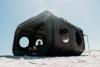 4-min turbo-inflatable cubic camp castle is now available in the USA
 Researchers Used Claude To Hack OpenAI Employee Accounts
 Chinese Scientists Develop New Oil Refining Method That Cuts Energy Use by 90%



Stratolaunch hypersonic vehicle to launch from world's largest plane
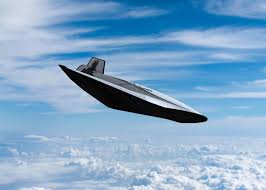
The Talon-A can be fitted out different payloads and is fully reusable, designed to enable swift, repeatable testing of hypersonic flight technologies for all manner of applications.
The Talon-A measures 28 ft long (8.5 m) with a wingspan of 11.3 ft (3.4 m) and has a total weight of 6,000 pounds (2,722 kg). Stratolaunch says the aircraft will be capable of autonomous take-off from a conventional runway, hitting Mach 6 speeds on long-duration flights, and then landing autonomously on the runway once the mission is complete.
Alternatively, the Talon-A could be lifted into the air aboard Stratolaunch's carrier aircraft, which would release it at a cruising altitude of 35,000 ft (10,000 m). Designed to launch rockets and satellites into low-Earth orbit, the massive carrier aircraft completed its maiden flight last year, and according to the company, would be capable of carrying three Talon-A hypersonic testbed vehicles into the air at once.
Once in the air, the Talon-A can collect data on aerodynamic performance, while the layout of the instruments and sensors can be customized depending on customer needs. It is also designed to carry proprietary and classified payloads that can then be safely recovered for analysis following the flight.