










Breaking News
 15 Years After Occupy, the Case Against the System Has Never Been Clearer
 8 Prepper Hacks for Cleaning Without Running Water
 The Economy Is Stagnating
 Britain To Appoint A Dedicated Tax Agent To Every Single Billionaire
Top Tech News
 BEYOND THE MOON: NASA plans a nuclear-powered fleet to push DEEPER into space
 Big Oil Backs Mazama's $135 Million Bet On Superhot Geothermal
 Quantum compass takes flight on Northrop's Lumberjack drone
 Terrifying AI Behavior Even Its Creators Couldn't Explain
 WW3 Near-Miss? AI Hallucinated Nuclear Weapons Components Aboard Chinese Vessel Bound For Iran
 Stripe Is Building the Toll Road for the Machine Economy
 Toyota Dakar hopeful swaps twin-turbo V6 for hydrogen fuel cells
 4-min turbo-inflatable cubic camp castle is now available in the USA
 Researchers Used Claude To Hack OpenAI Employee Accounts
 Chinese Scientists Develop New Oil Refining Method That Cuts Energy Use by 90%



Mercedes-Benz May Have An Edge With IBM's New Cobalt-Free Battery
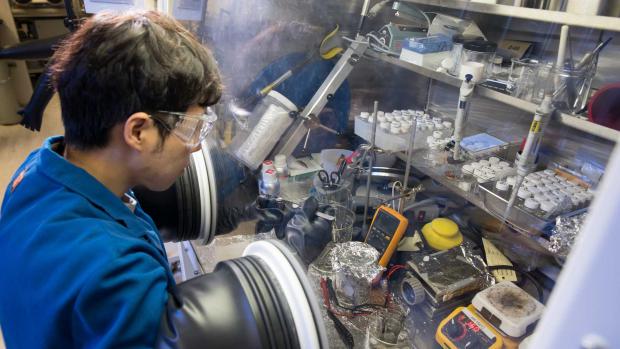
The IBM Research-Almaden innovation lab released last December 18 it has developed a new battery technology that is not dependent on heavy metals, such as nickel or cobalt. The company is still very secretive of what it involves. Still, it is not hiding the Mercedes-Benz Research And Development North America lab is one of its leading partners in the discovery. Will that give the German company an edge at using the technology before anyone else?
That would be convenient considering the way Daimler currently is trying to communicate with EV owners. The company that has always claimed to be innovative desperately needs innovation to show to potential customers, including those that will not be convinced to buy anything just because "it's a Mercedes."
IBM could help the German carmaker by allowing it to adopt these new batteries when they are ready for production. It is a pity it does not make it free of cobalt and nickel. IBM only mentions it relies on "three new and different proprietary materials, which have never before been recorded as being combined in a battery."