










Breaking News
 15 Years After Occupy, the Case Against the System Has Never Been Clearer
 8 Prepper Hacks for Cleaning Without Running Water
 The Economy Is Stagnating
 Britain To Appoint A Dedicated Tax Agent To Every Single Billionaire
Top Tech News
 BEYOND THE MOON: NASA plans a nuclear-powered fleet to push DEEPER into space
 Big Oil Backs Mazama's $135 Million Bet On Superhot Geothermal
 Quantum compass takes flight on Northrop's Lumberjack drone
 Terrifying AI Behavior Even Its Creators Couldn't Explain
 WW3 Near-Miss? AI Hallucinated Nuclear Weapons Components Aboard Chinese Vessel Bound For Iran
 Stripe Is Building the Toll Road for the Machine Economy
 Toyota Dakar hopeful swaps twin-turbo V6 for hydrogen fuel cells
 4-min turbo-inflatable cubic camp castle is now available in the USA
 Researchers Used Claude To Hack OpenAI Employee Accounts
 Chinese Scientists Develop New Oil Refining Method That Cuts Energy Use by 90%



Neurosurgeon: EMF Radiation Can Cause Leak In Blood Brain Barrier
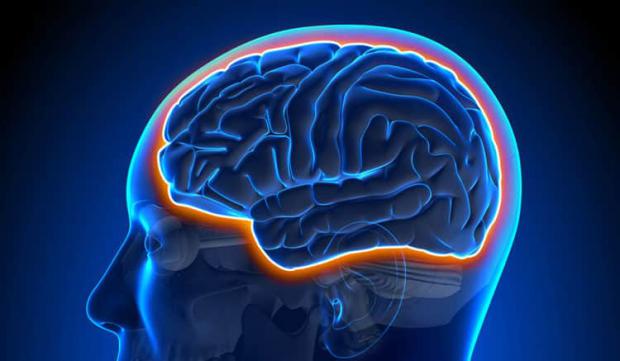
Neurosurgeon and researcher Dr. Leif Salford has conducted many studies on radio frequency radiation and its effects on the brain. Dr. Salford called the potential implications of some of his research "terrifying." Some of the most concerning conclusions result from the fact that the weakest exposure levels to wireless radiation caused the greatest effect in causing the blood brain barrier to leak.
Since he began his line of research in 1988, Dr. Leif Salford and his colleagues at Lund University Hospital in Sweden has exposed over 1,600 experimental animals to low-level radiation. Their results were consistent and worrisome: radiation, including that from cell phones, caused the blood-brain barrier–the brain's first line of defense against infections and toxic chemicals–to leak.
Researchers in 13 other laboratories in 6 different countries had reported the same effect, but no one had proven whether it would lead to any damage in the long term. In a study published June 2003 in Environmental Health Perspectives, Salford's team repeated the experiment on 32 additional animals, but this time waited eight weeks before sacrificing them and examining their brains.