










Breaking News
 VENEZUELA PREPARES TO MOVE $4 BILLION IN GOLD FROM UK TO US
 While Singapore's feeds were consumed by the Nanning scam headlines in the past two weeks...
 As Michael Burry caught up, there is a staggering amount in off-balance sheet commitments...
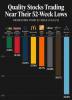 Quality stocks trading near their 52 week lows.
Top Tech News
 Tesla Model 3 killer charges from 10 to 97% in just 9 minutes
 World-first unpowered DNA computer sets speed record
 I Power 5 Buildings Off-Grid. Here's How
 The US government is pushing hard to get a working nuclear fission reactor into space by late 2028
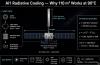 SpaceX Starmind AI in Space Radiator
 China Will Dominate Global Nuclear Energy Through 2035, Analyst Says
 These Absolutely Wild-Looking EVs Are Saudi Arabia's First Homegrown Cars
 BEYOND THE MOON: NASA plans a nuclear-powered fleet to push DEEPER into space
 Big Oil Backs Mazama's $135 Million Bet On Superhot Geothermal
 Quantum compass takes flight on Northrop's Lumberjack drone


STUDY: COMPOUNDS IN CANNABIS FOUND TO INHIBIT THE GROWTH OF CANCER...
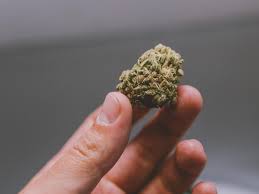
Does cannabis cure cancer? If you were to believe the pharmaceutical industry and their mainstream media pawns, the answer would be an emphatic "No." According to them, the health benefits of cannabis are nothing more than myths conjured up by hopeful stoners. Yet, there are countless stories of people who've successfully treated any number of debilitating health conditions with cannabis — ranging from cancer to seizure disorders.
After years of tight regulations hampering research, scientists are now beginning to take a closer look at the purported benefits of cannabis, and what they're finding is that this plant medicine really works. Recent research from Penn State shows that cannabinoid compounds can prevent cancer cell growth.
CANNABIS COMPOUNDS KILL COLON CANCER
Recently published research from scientists at Penn State College of Medicine reveals that the medicinal compounds found in marijuana can actually stop cancer cells right in their tracks. The researchers studied 370 different cannabinoid compounds and their effects on seven different colon cancer cell lines.