










Breaking News
 VENEZUELA PREPARES TO MOVE $4 BILLION IN GOLD FROM UK TO US
 While Singapore's feeds were consumed by the Nanning scam headlines in the past two weeks...
 As Michael Burry caught up, there is a staggering amount in off-balance sheet commitments...
 Quality stocks trading near their 52 week lows.
Top Tech News
 Tesla Model 3 killer charges from 10 to 97% in just 9 minutes
 World-first unpowered DNA computer sets speed record
 I Power 5 Buildings Off-Grid. Here's How
 The US government is pushing hard to get a working nuclear fission reactor into space by late 2028
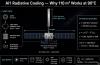 SpaceX Starmind AI in Space Radiator
 China Will Dominate Global Nuclear Energy Through 2035, Analyst Says
 These Absolutely Wild-Looking EVs Are Saudi Arabia's First Homegrown Cars
 BEYOND THE MOON: NASA plans a nuclear-powered fleet to push DEEPER into space
 Big Oil Backs Mazama's $135 Million Bet On Superhot Geothermal
 Quantum compass takes flight on Northrop's Lumberjack drone


Elon Musk and Jeff Bezos' bids to build US military rockets could reshape national security
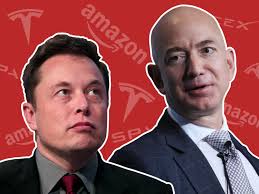
The US Air Force has, traditionally, done a terrible job of buying new rockets.
Now, as lawmakers consider a total reorganization of the US military's space operations, the Pentagon's latest attempt to purchase new launch vehicles has become a hotly contested rivalry featuring the military-industrial complex and rocket billionaires Elon Musk and Jeff Bezos. Of course, there's a Russia angle, too.
The battle could shape not just US national security but also the future of private space companies writ large—access to revenue from military launches bolster a rocket-maker's offerings to a range of potential customers. Musk's SpaceX revolutionized the space industry and became the world's leading commercial launcher thanks, in part, to winning Pentagon business.