










Breaking News
 This is the future we shall bring into being
 Elon Musk's Vision For The Future Looks Like A Movie
 Phosphorus Munitions Fired by Israel Burn Groves, Orchards in Southern Lebanon
 Iran's IRGC Warns It Will Expand 'Geography of the War' If the US Attacks Again
Top Tech News
 BEYOND THE MOON: NASA plans a nuclear-powered fleet to push DEEPER into space
 Big Oil Backs Mazama's $135 Million Bet On Superhot Geothermal
 Quantum compass takes flight on Northrop's Lumberjack drone
 Terrifying AI Behavior Even Its Creators Couldn't Explain
 WW3 Near-Miss? AI Hallucinated Nuclear Weapons Components Aboard Chinese Vessel Bound For Iran
 Stripe Is Building the Toll Road for the Machine Economy
 Toyota Dakar hopeful swaps twin-turbo V6 for hydrogen fuel cells
 4-min turbo-inflatable cubic camp castle is now available in the USA
 Researchers Used Claude To Hack OpenAI Employee Accounts
 Chinese Scientists Develop New Oil Refining Method That Cuts Energy Use by 90%



SpaceX is Already Building the Orbital Starship
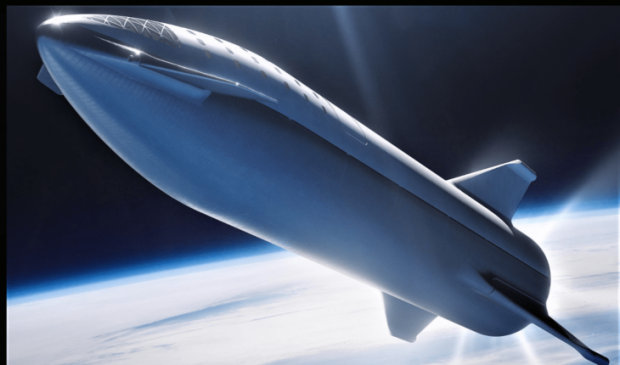
SpaceX will not build a new nosecone for the Starhopper. Elon Musk tweeted that the new nosecone is being built for the orbital Starship.
Elon has previously indicated that the orbital version of the Starship would be completed in June 2019. Elon Musk has tweeted that the first orbital Starship upper stage prototype should be completed by June 2019. He has stated that the Super Heavy first stage will start construction in the spring. If the Starhopper has successful testing from April through June, then an orbital test could happen in the latter half of 2019. SpaceX will be able to build the 38 Raptor engines for a full Super Heavy Starship. SpaceX has completed full testing of the stainless steel heat shield tiles. The SpaceX Falcon Heavy succeed on its first launch into space. The Falcon Heavy had 27 engines. The engines were similar in size to the Raptor engines. SpaceX has landed many first stages. The Starship is seven engines and following the same development plan. If the first launch success of the Falcon Heavy was not a fluke, then SpaceX could have made breakthroughs in computational design and pre-orbital testing.