










Breaking News
 This is the future we shall bring into being
 Elon Musk's Vision For The Future Looks Like A Movie
 Phosphorus Munitions Fired by Israel Burn Groves, Orchards in Southern Lebanon
 Iran's IRGC Warns It Will Expand 'Geography of the War' If the US Attacks Again
Top Tech News
 BEYOND THE MOON: NASA plans a nuclear-powered fleet to push DEEPER into space
 Big Oil Backs Mazama's $135 Million Bet On Superhot Geothermal
 Quantum compass takes flight on Northrop's Lumberjack drone
 Terrifying AI Behavior Even Its Creators Couldn't Explain
 WW3 Near-Miss? AI Hallucinated Nuclear Weapons Components Aboard Chinese Vessel Bound For Iran
 Stripe Is Building the Toll Road for the Machine Economy
 Toyota Dakar hopeful swaps twin-turbo V6 for hydrogen fuel cells
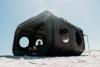 4-min turbo-inflatable cubic camp castle is now available in the USA
 Researchers Used Claude To Hack OpenAI Employee Accounts
 Chinese Scientists Develop New Oil Refining Method That Cuts Energy Use by 90%



24M Delivers SemiSolid Cells With Energy Density Above 280 Wh/kg
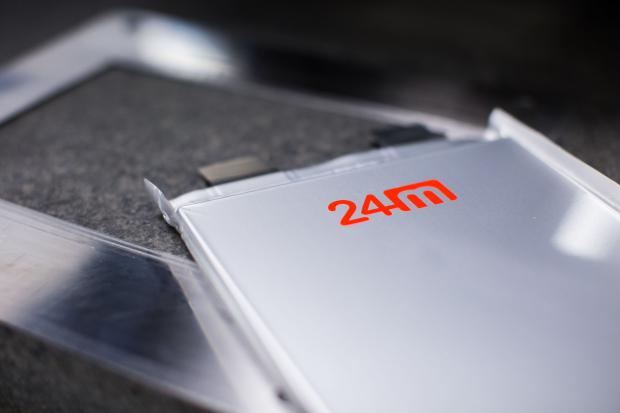
The energy density of the cells produced at the pilot facility exceed 280 Wh/kg, which – as 24M points out – is over 10% more than the current state-of-the-art industry benchmark for EV applications – 250 Wh/kg.
"These deliveries represent a significant milestone in the 24M mission to scale its unique, capital-efficient, low-cost approach to advanced lithium-ion battery manufacturing."
The 12% increase is welcome, although 24M's goal is much higher – 350 Wh/kg or even over 400 Wh/kg. We guess that those goals are not yet available and development needs to be continued.
"The development of the high energy density nickel manganese cobalt (NMC) cells is part of a $7M three-year contract awarded to 24M in 2016 by the United States Advanced Battery Consortium LLC in cooperation with the U.S. Department of Energy. The program is chartered with developing electrochemical energy storage technologies that support the commercialization of hybrid, plug-in hybrid, electric and fuel cell vehicles.