










Breaking News
 We're Costing the GOP the US Senate - Aaron Day
 Who Will Find What the Finders Hide? Addendum
 Seven Days in the Dark: How I Watched My Neighbors Turn Into Thieves...
 Oracle Invokes Force Majeure on Project Jupiter AI Data Center
Top Tech News
 Tesla Model 3 killer charges from 10 to 97% in just 9 minutes
 World-first unpowered DNA computer sets speed record
 I Power 5 Buildings Off-Grid. Here's How
 The US government is pushing hard to get a working nuclear fission reactor into space by late 2028
 SpaceX Starmind AI in Space Radiator
 China Will Dominate Global Nuclear Energy Through 2035, Analyst Says
 These Absolutely Wild-Looking EVs Are Saudi Arabia's First Homegrown Cars
 BEYOND THE MOON: NASA plans a nuclear-powered fleet to push DEEPER into space
 Big Oil Backs Mazama's $135 Million Bet On Superhot Geothermal
 Quantum compass takes flight on Northrop's Lumberjack drone


Bionic eye to be implanted in HUMANS as robotic device nears release
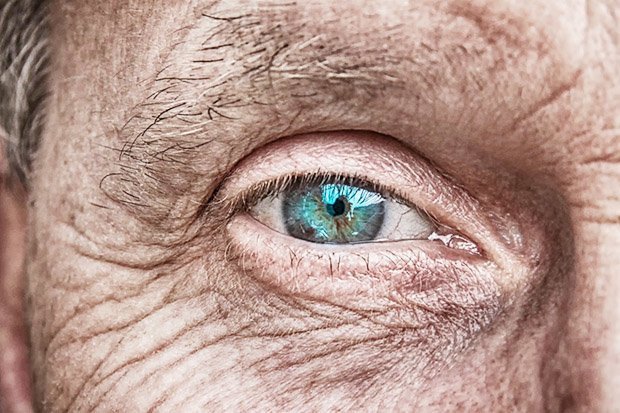
Blindness has blighted the world for centuries with no answer to the often degenerative disease, but this could be cured by artificial intelligence.
But a team of researchers have created a robotic eye device to potentially cure this.
If successful, the bionic eye would change the lives of millions of people losing their sight.
The team from the University of Sydney are now looking to start human trials ahead of a potential release for the device.
Biomedical engineering professor Gregg Suaning said the "Phoenix 99 Bionic Eye" device sees a microchip implanted onto a patient's eye.
A tiny camera is then placed on a pair of glasses which will wirelessly send images for the microchip to process.
He said: "Users of the bionic eye would see pixelated image that deliver outlines and edges allowing them to navigate their surroundings and help them carry out activities of daily living.
"We hope it will allow people with vision loss to identify if a person, doorway or window is nearby.