










Breaking News
 "Begin Preparing Yourself..." - Jeffrey Sachs
 The 5-Year Treasury Just Broke 5%... The Whole Curve Is Next
 ICE Denounced for Enacting 'Official Government Policy of Disappearing People'
 Google Just Told Canadian Adults: Give Us Your ID and a Selfie Or Else…And It's Starting Now!!
Top Tech News
 Tesla Model 3 killer charges from 10 to 97% in just 9 minutes
 World-first unpowered DNA computer sets speed record
 I Power 5 Buildings Off-Grid. Here's How
 The US government is pushing hard to get a working nuclear fission reactor into space by late 2028
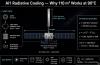 SpaceX Starmind AI in Space Radiator
 China Will Dominate Global Nuclear Energy Through 2035, Analyst Says
 These Absolutely Wild-Looking EVs Are Saudi Arabia's First Homegrown Cars
 BEYOND THE MOON: NASA plans a nuclear-powered fleet to push DEEPER into space
 Big Oil Backs Mazama's $135 Million Bet On Superhot Geothermal
 Quantum compass takes flight on Northrop's Lumberjack drone


Roy Orbison hologram concert in L.A. invites awe and debate
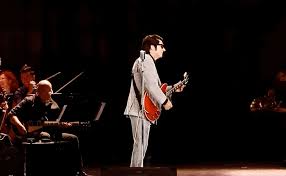
Then, the crooner appeared to rise magically from the stage, wearing his signature light gray suit and black shades and jamming on a red Gibson guitar to his 1960 hit "Only the Lonely." Fans screamed as they quickly positioned their smartphones to record the spectral image.
"This is as good as seeing him in person as you'll ever get," marveled 71-year-old Ray Sadowski, who paid about $200 for a pair of tickets to the Tuesday night show.
Thirty years after his death, Orbison (at least the digital version of him) is going on a national tour, the latest and possibly the most ambitious example to date of how holographic technology is transforming the music industry. The hologram's 65-minute show, which features 16 songs and orchestral accompaniment, is among the first full-length concerts to feature a holographic dead singer.