










Breaking News
 This is the future we shall bring into being
 Elon Musk's Vision For The Future Looks Like A Movie
 Phosphorus Munitions Fired by Israel Burn Groves, Orchards in Southern Lebanon
 Iran's IRGC Warns It Will Expand 'Geography of the War' If the US Attacks Again
Top Tech News
 BEYOND THE MOON: NASA plans a nuclear-powered fleet to push DEEPER into space
 Big Oil Backs Mazama's $135 Million Bet On Superhot Geothermal
 Quantum compass takes flight on Northrop's Lumberjack drone
 Terrifying AI Behavior Even Its Creators Couldn't Explain
 WW3 Near-Miss? AI Hallucinated Nuclear Weapons Components Aboard Chinese Vessel Bound For Iran
 Stripe Is Building the Toll Road for the Machine Economy
 Toyota Dakar hopeful swaps twin-turbo V6 for hydrogen fuel cells
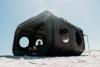 4-min turbo-inflatable cubic camp castle is now available in the USA
 Researchers Used Claude To Hack OpenAI Employee Accounts
 Chinese Scientists Develop New Oil Refining Method That Cuts Energy Use by 90%



How Long Can You Store Food In The Freezer? (Infographic)

Your freezer isn't a miracle machine, though. To keep food in good condition for a long time you need to follow a few simple rules. Get it wrong and you're likely to find your food deteriorating – and maybe even unsafe to eat.
Some general recommendations for freezer storage are:
To safely store food for long periods of time, use a deep freezer that will keep the temperature at 0ºF or lower. It's also a good idea to buy a freezer thermometer and check the temperature frequently.
Keep the freezer as full as possible. A half-empty freezer will spill cold air every time the door is opened, letting warm air in. It has to cool that down once the door is closed again. In a full freezer there's less space for warm air to take up. If there's a lot of empty space in yours, put in empty cardboard boxes – they'll help keep cold air inside. If you have a chest freezer this isn't a problem, because the denser cold air will stay inside when you open the lid.
Don't load a lot of food into your freezer at once. That will overload the freezer's cooling capacity, and raise the temperature inside. It will also take longer to freeze the food you just put in, and slow freezing reduces the quality of food. Don't put in more than three pounds per cubic foot of freezer space every day.