










Breaking News
 Xi backs AI safety with Trump, draws Taiwan line, urges Iran talks
 The Israeli Lobby Boasts of Its Rule of America
 Dan Priestly and Lars Lead the Tesla Semi Event
 Russia and China have a plan to disable Starlink
Top Tech News
 Tesla Model 3 killer charges from 10 to 97% in just 9 minutes
 World-first unpowered DNA computer sets speed record
 I Power 5 Buildings Off-Grid. Here's How
 The US government is pushing hard to get a working nuclear fission reactor into space by late 2028
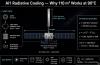 SpaceX Starmind AI in Space Radiator
 China Will Dominate Global Nuclear Energy Through 2035, Analyst Says
 These Absolutely Wild-Looking EVs Are Saudi Arabia's First Homegrown Cars
 BEYOND THE MOON: NASA plans a nuclear-powered fleet to push DEEPER into space
 Big Oil Backs Mazama's $135 Million Bet On Superhot Geothermal
 Quantum compass takes flight on Northrop's Lumberjack drone


It Begins: First-Ever Self-Driving Delivery Truck Seen On Public Roads
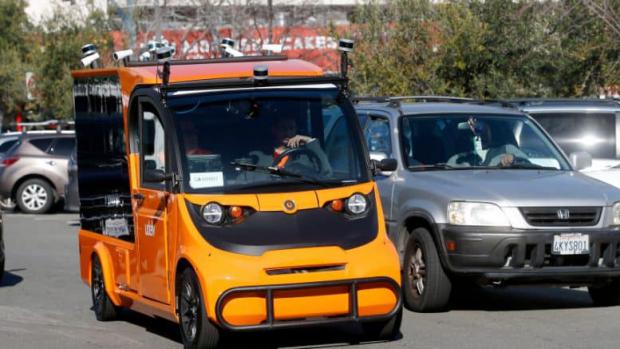
"We're making history today by reinventing deliveries," said Udelv CEO Daniel Laury.
Udelv plans to use its single automated vehicle — which requires a backup driver as per state law — to start regular deliveries to customers of the San Mateo Draeger's store after mid-February. But the Burlingame company has higher ambitions: It hopes to have 1,500 of its vehicles on the road by 2021 and it wants to work with major firms involved in delivery such as store chains, Amazon and UPS, Laury said.
"This new machine is a revolution for retailers, shippers and delivery companies," Laury said.
Udelv is targeting a lucrative market — McKinsey in October put the global cost of package delivery at more than $85 billion. But considerable obstacles remain for companies scrambling to use road-going robots to grab a piece of the pie.