










Breaking News
 The Download: GLOBAL WAR LOOMING, GOVERNMENT AT YOUR DOOR & DOCTORS...
 Episode 495: AI'S FREE PASS, NIH FINALLY WAKES UP & CHILDHOOD DEATH BOMBSHELL
 Xi backs AI safety with Trump, draws Taiwan line, urges Iran talks
 The Israeli Lobby Boasts of Its Rule of America
Top Tech News
 Tesla Model 3 killer charges from 10 to 97% in just 9 minutes
 World-first unpowered DNA computer sets speed record
 I Power 5 Buildings Off-Grid. Here's How
 The US government is pushing hard to get a working nuclear fission reactor into space by late 2028
 SpaceX Starmind AI in Space Radiator
 China Will Dominate Global Nuclear Energy Through 2035, Analyst Says
 These Absolutely Wild-Looking EVs Are Saudi Arabia's First Homegrown Cars
 BEYOND THE MOON: NASA plans a nuclear-powered fleet to push DEEPER into space
 Big Oil Backs Mazama's $135 Million Bet On Superhot Geothermal
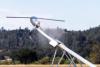 Quantum compass takes flight on Northrop's Lumberjack drone


Self-sailing drones set to explore the Southern Ocean
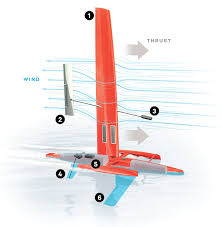
The government agency has announced a partnership with San Francisco-based Saildrone, and will be utilizing three of the startup's unmanned vehicles for the next five years.
The Saildrones themselves are propelled by the wind, and their electronics are powered by the sun – this allows them to remain at sea for up to 12 months at a time, uploading collected data along the way.
Equipped with both automatic identification systems and ship avoidance systems, they can operate autonomously or be remotely controlled via a satellite connection from anywhere in the world. In this way, they're not unlike Liquid Robotics' Wave Gliders.
The CSIRO Saildrones will be based out of the city of Hobart.