










Breaking News
 The Download: GLOBAL WAR LOOMING, GOVERNMENT AT YOUR DOOR & DOCTORS...
 Episode 495: AI'S FREE PASS, NIH FINALLY WAKES UP & CHILDHOOD DEATH BOMBSHELL
 Xi backs AI safety with Trump, draws Taiwan line, urges Iran talks
 The Israeli Lobby Boasts of Its Rule of America
Top Tech News
 Tesla Model 3 killer charges from 10 to 97% in just 9 minutes
 World-first unpowered DNA computer sets speed record
 I Power 5 Buildings Off-Grid. Here's How
 The US government is pushing hard to get a working nuclear fission reactor into space by late 2028
 SpaceX Starmind AI in Space Radiator
 China Will Dominate Global Nuclear Energy Through 2035, Analyst Says
 These Absolutely Wild-Looking EVs Are Saudi Arabia's First Homegrown Cars
 BEYOND THE MOON: NASA plans a nuclear-powered fleet to push DEEPER into space
 Big Oil Backs Mazama's $135 Million Bet On Superhot Geothermal
 Quantum compass takes flight on Northrop's Lumberjack drone


Spinal-Cord Implants to Numb Pain Emerge as Alternative to Pills
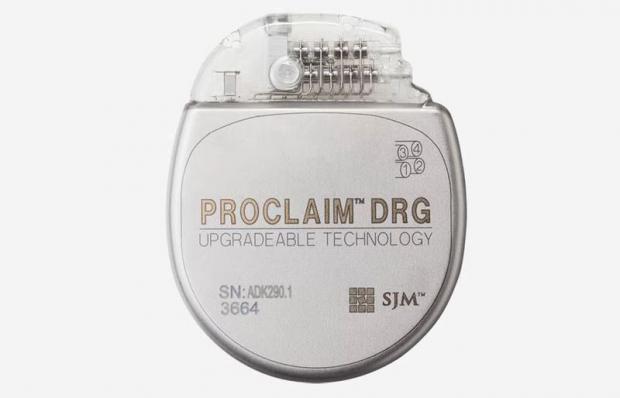
The approach, called neuromodulation, has been a godsend for Linda Landy, who was a 42-year-old runner when a foot surgery went awry in 2008. She was diagnosed with complex regional pain syndrome, a condition dubbed the suicide disease by doctors: The pain is so unrelenting that many people take their own lives.
Last November, Landy underwent surgery to get an Abbott Laboratories device that stimulates the dorsal root ganglion, a spot in the spine that was the pain conduit for her damaged nerves. A year after getting her implant, called DRG, she's cut back drastically on pain pills.
"The DRG doesn't take the pain completely away, but it changes it into something I can live with," said Landy, a mother of three in Fort Worth, Texas. She's now now able to walk again and travel by plane without using a wheelchair. "It sounds minor, but it's really huge."