










Breaking News
 This Audi EV Set A Guinness World Record By Driving 831 Miles Without Recharging
 How US and China can nimbly escape the Thucydides Trap
 Taiwan's 'silicon shield' is in a race against time
 Bond vigilantes on a savage hunt as global yields run wild
Top Tech News
 Tesla Model 3 killer charges from 10 to 97% in just 9 minutes
 World-first unpowered DNA computer sets speed record
 I Power 5 Buildings Off-Grid. Here's How
 The US government is pushing hard to get a working nuclear fission reactor into space by late 2028
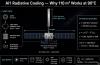 SpaceX Starmind AI in Space Radiator
 China Will Dominate Global Nuclear Energy Through 2035, Analyst Says
 These Absolutely Wild-Looking EVs Are Saudi Arabia's First Homegrown Cars
 BEYOND THE MOON: NASA plans a nuclear-powered fleet to push DEEPER into space
 Big Oil Backs Mazama's $135 Million Bet On Superhot Geothermal
 Quantum compass takes flight on Northrop's Lumberjack drone


$2 million competition aims to make jetpacks a reality by 2019
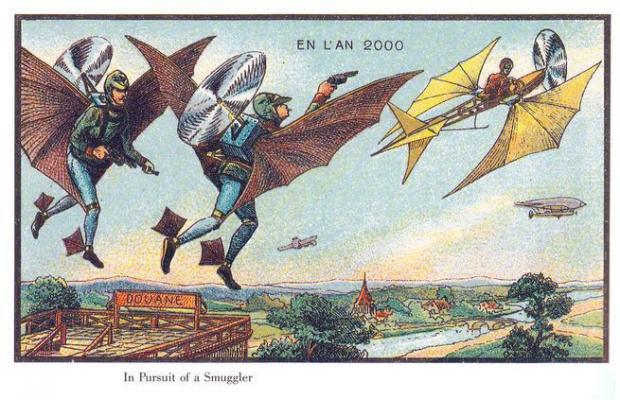
The dream of flight was never meant to be confined to a 28-inch seat with 150 strangers and miniature bags of pretzels. Early aircraft were fabric and wood extensions of their pilots' bodies, technological exoskeletons carrying a dream into the air. While the laws of aerodynamics and engineering drove planes into long aluminum tubes with wings, fiction maintained the dream of a personal flying tool that people could strap to their back, ride through the air, and then arrive intact and on-time at work. For decades, inventors endeavored to turn jetpack from fictional whim to real machines, with some limited success, but nothing so world-changing as to enter the mass market. GoFly, a Boeing-sponsored competition announced today, wants to turn jetpacks from an aviation novelty to an everyday tool. To do that, it's inviting people from around the world to enter a two-year contest, with $2 million total in prizes, for the creation of a personal flying device that can carry an individual 20 miles without refueling or recharging.