










Breaking News
 Evacuations begin as 'blockbuster' nor'easter barrels toward millions in 12 US states
 Trump's military prepares for Cuba as leaked Pentagon memo sends telling signal...
 Ford v. Hyundai: Henry Ford Must Be Turning In His Grave After New Report
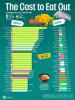 Switzerland Is Still The Most Expensive Place In The World To Eat Out
Top Tech News
 Tesla Model 3 killer charges from 10 to 97% in just 9 minutes
 World-first unpowered DNA computer sets speed record
 I Power 5 Buildings Off-Grid. Here's How
 The US government is pushing hard to get a working nuclear fission reactor into space by late 2028
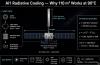 SpaceX Starmind AI in Space Radiator
 China Will Dominate Global Nuclear Energy Through 2035, Analyst Says
 These Absolutely Wild-Looking EVs Are Saudi Arabia's First Homegrown Cars
 BEYOND THE MOON: NASA plans a nuclear-powered fleet to push DEEPER into space
 Big Oil Backs Mazama's $135 Million Bet On Superhot Geothermal
 Quantum compass takes flight on Northrop's Lumberjack drone


Square founder Jack Dorsey talks bitcoin and says blockchain is the 'next big unlock'
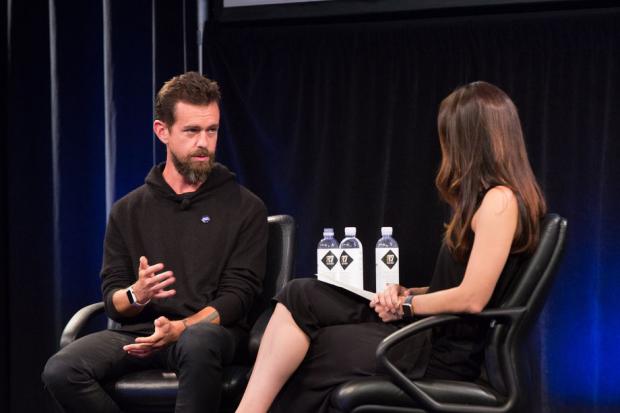
If you've been hearing or reading a lot about blockchain but you still aren't entirely certain how to define it, you're not alone. It's something that Jack Dorsey, the chief executive officer and chairman of Square (and CEO of Twitter), describes as the "next big unlock," something that, he notes, is normally applied to accounting terms but has the potential to "be applied to so much more."
In an interview earlier this week at the Computer History Museum in Mountain View, California, I had the chance to ask Dorsey about Square's business, the future of banking, cryptocurrencies, blockchain, and more.
Blockchain is often defined as a ledger that enables secure, encrypted transactions. Some financial and technical experts have described it as analogous to the early days of the internet: it's a framework or backbone for transactions, while the various use cases for it are analogous to apps on the internet as we know them today.