










Breaking News
 The Homeless Industrial Complex:
 The Lucid Cosmos Will Have More Range Than Any Tesla
 Trump Admin Ends Medicaid Funding For Sex-Change Procedures On Kids
 Strong 3D printable elastic polymer resists damage
Top Tech News
 Vitalik Buterin Says Ethereum Is Betting Its Future On Quantum Security And AI
 Everything You Wanted To Know About Building A Cheap AI Setup (That Still Works)...
 If They Were Human, They'd Be Arrested. Experts Respond To Rogue AI Breaches
 Sodium Ion Batteries Will be 80% Cheaper & Last LONGER!
 German startup SAXON Q has introduced a diamond-based quantum computing system...
 Elon Musk To Build The Largest Building In The World - 100 Million Square Feet
 Bitcoin 'Red Team' Says AI Is Finding 100s Of Critical Exploits Across Core Projects
 EG4 Power Pro VS Ruixu Lithi VS Yixiang Budget Battery! Best Selling Battery Showdown!
 Insect wings can kill bacteria without any chemicals!
 Tesla Never Made An Electric Jet Boat, So This YouTuber Built One Himself



Vitamin D – a new sunburn treatment?
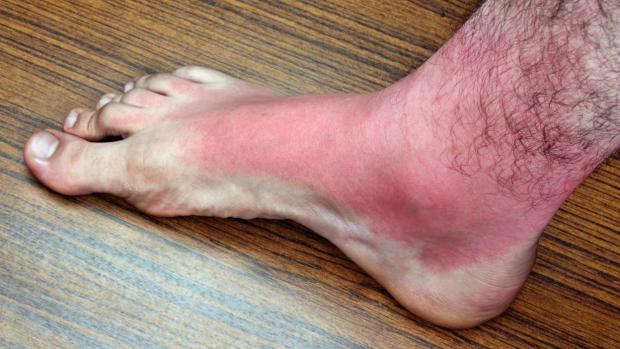
The double-blinded, placebo-controlled clinical trial started by giving 20 test subjects a small UV-lamp-delivered sunburn on their inner arm. Within one hour, they were then given either a placebo pill, or 50,000, 100,000, or 200,000 IU of vitamin D. Their skin was subsequently analyzed 24, 48, 72 hours and one week after the experiment.
While the placebo and the lower doses had little to no effect, the higher doses significantly reduced inflammation and redness, plus the test subjects experienced a jump in gene activity related to skin barrier repair. The scientists believe this was because vitamin D increases levels of an enzyme known as arginase-1, which both boosts tissue repair and activates anti-inflammatory proteins.
That said, the effective doses in the experiment were far above the 400-IU daily recommended allowance of vitamin D.
"I would not recommend at this moment that people start taking vitamin D after sunburn based on this study alone," says lead scientist Dr. Kurt Lu. "But, the results are promising and worthy of further study."