










Breaking News
 Is Big Pharma Selling Postpartum Depression to New Moms?
 Make Men Men Again: Low T Is Now a National Defense Problem
 Druski: They're Lying To You About Overnight Success!
 $6.27 Diesel Just Hit Harvest. The Grocery Aisle Hasn't Felt It Yet.
Top Tech News
 Tesla Model 3 killer charges from 10 to 97% in just 9 minutes
 World-first unpowered DNA computer sets speed record
 I Power 5 Buildings Off-Grid. Here's How
 The US government is pushing hard to get a working nuclear fission reactor into space by late 2028
 SpaceX Starmind AI in Space Radiator
 China Will Dominate Global Nuclear Energy Through 2035, Analyst Says
 These Absolutely Wild-Looking EVs Are Saudi Arabia's First Homegrown Cars
 BEYOND THE MOON: NASA plans a nuclear-powered fleet to push DEEPER into space
 Big Oil Backs Mazama's $135 Million Bet On Superhot Geothermal
 These Absolutely Wild-Looking EVs Are Saudi Arabia's First Homegrown Cars



Is this the end of blood donation? Scientists close to unlimited supply from stem cells
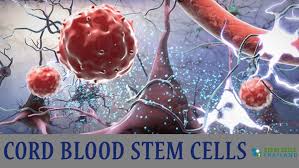
Blood donors may no longer be needed in the future after scientists showed it was possible to create blood from stem cells.
The 20 year project could pave the way for an unlimited number of blood and immune cells for transplants, simply by reprogramming a patient's own skin cells.
The research, reported in the journal Nature, holds out enormous promise for developing personalised treatments for blood disorders, drug-screening and reducing shortages of donated blood.
Dr Ryohichi Sugimura, of Boston Children's Hospital, said: "This gives us the potential to have a limitless supply of blood stem cells and blood by taking cells from universal donors. This could potentially augment the blood supply for patients who need transfusions.
"This step opens up an opportunity to take cells from patients with genetic blood disorders, use gene editing to correct their genetic defect and make functional blood cells."
For patients receiving treatment for cancer, blood disorders, after accidents or during surgery, or new mums who lose blood in childbirth, blood is an absolutely essential part of healthcare.
But NHS Blood and Transplant - the service which collects, tests and processes blood for hospitals across England -says that while hospitals have the blood needed to treat patients there is a need for more new donors.