










Breaking News
 A Disabled Woman. A Penthouse. A City Going Dark.
 France Is Running Out Of Fuel: 16% Of French Gas Stations Are Reporting Outages...
 His God
 How Much More "Assistance" Do We Need?
Top Tech News
 BEYOND THE MOON: NASA plans a nuclear-powered fleet to push DEEPER into space
 Big Oil Backs Mazama's $135 Million Bet On Superhot Geothermal
 Quantum compass takes flight on Northrop's Lumberjack drone
 Terrifying AI Behavior Even Its Creators Couldn't Explain
 WW3 Near-Miss? AI Hallucinated Nuclear Weapons Components Aboard Chinese Vessel Bound For Iran
 Stripe Is Building the Toll Road for the Machine Economy
 Toyota Dakar hopeful swaps twin-turbo V6 for hydrogen fuel cells
 4-min turbo-inflatable cubic camp castle is now available in the USA
 Researchers Used Claude To Hack OpenAI Employee Accounts
 Chinese Scientists Develop New Oil Refining Method That Cuts Energy Use by 90%



Egyptian Architects Want To Use Shipping Containers To Solve The Housing Crisis
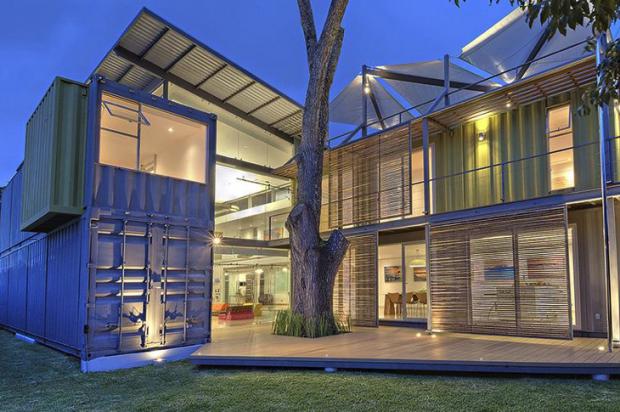
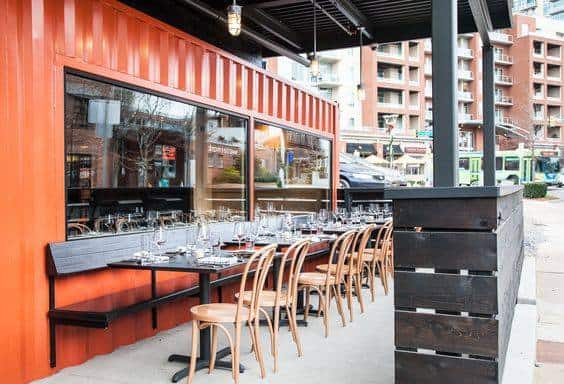
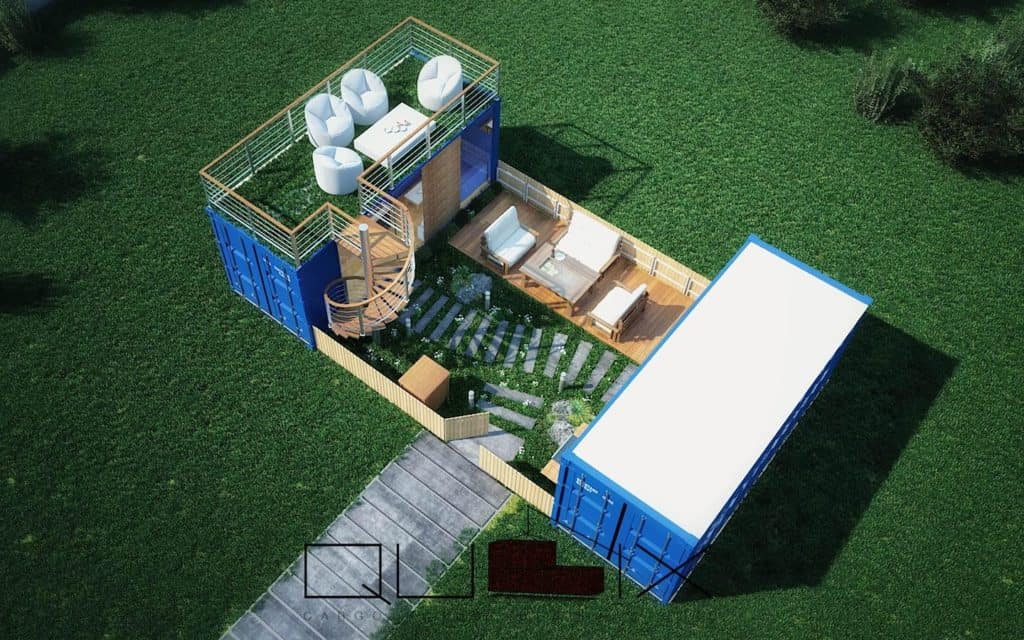
A design duo in Egypt has formed a company called Qubix that has local architects talking about a possible material for future projects: cargotecture. Cargotecture is an emerging trend in which shipping containers are used to build a variety of places, from houses to work spaces to a Starbucks location.
The duo, Youssef Farag and Karim Rafla, founded the company just over one year ago and spent months testing different materials and techniques for insulation and comfortability. Rafla spent time studying in Britain and and came across the art of cargotecture, which made him question whether the concept had ever been employed by people living in Egypt. When he visited a city just outside of London that's made entirely of shipping containers, he was enthralled with the idea.
"People are living in containers in this city, it was too good to be true. Cargotecture is a hybrid of construction and manufacturing " Rafla told Egyptian Sheets.
Credit: Qubix
Once Rafla returned from Britain, Farag loved the idea as well and offered his backyard as the first place for them to do all of their testing and design. The duo thinks that shipping containers had not been used there yet because of a misconception about what living in one must be like. With the insulation methods that they use, they now report being able to keep the interior of the container at a maximum of 77 degrees Fahrenheit.
"Many people think that you're going to be in a metal box, and that you'll sit there and suffocate … Egypt is hot enough! But no, that's not true," Farag told Reuters.
Credit: Qubix