










Breaking News
 Is Big Pharma Selling Postpartum Depression to New Moms?
 Make Men Men Again: Low T Is Now a National Defense Problem
 Druski: They're Lying To You About Overnight Success!
 $6.27 Diesel Just Hit Harvest. The Grocery Aisle Hasn't Felt It Yet.
Top Tech News
 Tesla Model 3 killer charges from 10 to 97% in just 9 minutes
 World-first unpowered DNA computer sets speed record
 I Power 5 Buildings Off-Grid. Here's How
 The US government is pushing hard to get a working nuclear fission reactor into space by late 2028
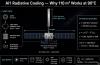 SpaceX Starmind AI in Space Radiator
 China Will Dominate Global Nuclear Energy Through 2035, Analyst Says
 These Absolutely Wild-Looking EVs Are Saudi Arabia's First Homegrown Cars
 BEYOND THE MOON: NASA plans a nuclear-powered fleet to push DEEPER into space
 Big Oil Backs Mazama's $135 Million Bet On Superhot Geothermal
 Quantum compass takes flight on Northrop's Lumberjack drone


Collapse of Venezuela government is a matter when and not if

Venezuela is not the first developed country to put itself on track to fall into a catastrophic economic crisis. But it is in the relatively unusual situation of having done so while in possession of enormous oil assets.
The Venezuelan government doesn't claim to be full-fledged in its devotion to Marxism-Leninism. It has been pursuing as absurd an economic policy mix as its Soviet predecessor. It has insisted for years on maintaining drastic price controls on a wide range of basic goods, including food staples such as meat and bread, for which it pays enormous subsidies. Nonetheless the Venezuelan government, like the Soviet Union's, has always felt it could afford these subsidies because of its oil revenues.
Maduro seems intent on printing money like crazy, so the next step will be hyperinflation. Inflation is already believed to have reached 700 percent a year, and it is heading toward official hyperinflation, that is, an inflation rate of at least 50 percent a month.