










Breaking News
 Is Big Pharma Selling Postpartum Depression to New Moms?
 Make Men Men Again: Low T Is Now a National Defense Problem
 Druski: They're Lying To You About Overnight Success!
 $6.27 Diesel Just Hit Harvest. The Grocery Aisle Hasn't Felt It Yet.
Top Tech News
 Tesla Model 3 killer charges from 10 to 97% in just 9 minutes
 World-first unpowered DNA computer sets speed record
 I Power 5 Buildings Off-Grid. Here's How
 The US government is pushing hard to get a working nuclear fission reactor into space by late 2028
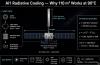 SpaceX Starmind AI in Space Radiator
 China Will Dominate Global Nuclear Energy Through 2035, Analyst Says
 These Absolutely Wild-Looking EVs Are Saudi Arabia's First Homegrown Cars
 BEYOND THE MOON: NASA plans a nuclear-powered fleet to push DEEPER into space
 Big Oil Backs Mazama's $135 Million Bet On Superhot Geothermal
 Quantum compass takes flight on Northrop's Lumberjack drone


Eerie tech promises to copy anyone's voice from just 1 minute of audio

The company says its API will let you synthesize speech in anyone's voice from just a minute-long recording – which means you could, for instance, generate a clip of President Trump declaring war on Canada.
Lyrebird has posted some audio examples that sound pretty convincing (listen below, and find more on this page). The company says that it doesn't require the speaker to say the words that you'll use the voice to speak in the audio you generate, and it'll also be able to create different intonations.
If any of this sounds familiar, it might be because you're thinking of Adobe's demo of its similar tech last November. But while Adobe's Project VoCo requires 20 minutes of audio and appears to use system resources for speech synthesis, Lyrebird only needs a minute-long recording and says it's close to launching its cloud-based API to process audio and spit out results.