










Breaking News
 Is Big Pharma Selling Postpartum Depression to New Moms?
 Make Men Men Again: Low T Is Now a National Defense Problem
 Druski: They're Lying To You About Overnight Success!
 $6.27 Diesel Just Hit Harvest. The Grocery Aisle Hasn't Felt It Yet.
Top Tech News
 Tesla Model 3 killer charges from 10 to 97% in just 9 minutes
 World-first unpowered DNA computer sets speed record
 I Power 5 Buildings Off-Grid. Here's How
 The US government is pushing hard to get a working nuclear fission reactor into space by late 2028
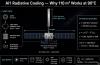 SpaceX Starmind AI in Space Radiator
 China Will Dominate Global Nuclear Energy Through 2035, Analyst Says
 These Absolutely Wild-Looking EVs Are Saudi Arabia's First Homegrown Cars
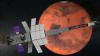 BEYOND THE MOON: NASA plans a nuclear-powered fleet to push DEEPER into space
 Big Oil Backs Mazama's $135 Million Bet On Superhot Geothermal
 Quantum compass takes flight on Northrop's Lumberjack drone


What it would actually take to get to Mars by 2020
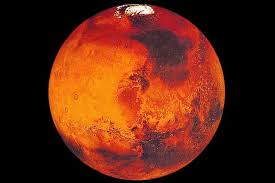
Today, during a phone call with astronaut Peggy Whitson on the International Space Station, President Trump joked that he hoped NASA would land astronauts on Mars by the end of his first term in 2020.
Obviously, this timeline is completely unreasonable for an agency that's already running behind on its plan to get to Mars by the 2030s. Getting to Mars is going to be incredibly difficult, with a lot of moving pieces that all need to fit together seamlessly.
Here's a to-do list of just some of the things NASA would need to get done by 2020:
Finish rocket. NASA's extremely powerful Space Launch System won't fly until late 2018 or early 2019. That wouldn't provide a lot of time for test flights before we'd use it to hurtle astronauts on their very long and hypothetical journey to the red planet in 2020.
Make sure no one's gonna die. The ride to Mars is probably going take six- to nine-months. That's a lot of time for a human body to suffer though weightlessness, which destroys our bones, and deep space radiation, which causes cancer and messes with our brains and possibly our hearts. Not to mention the risks of going bonkers from boredom.
Build space RV. Speaking of going bonkers, can you imagine spending several months crammed into this tiny spacecraft with your fellow astronauts? No, because the Orion capsule is meant for short trips. For longer trips—like, Journey to Mars long—astronauts are going to need a bigger habitat with radiation protection, life support systems, water recycling, food storage, and a working bathroom. NASA hasn't yet selected a design for the habitat, let alone started building one.