










Breaking News
 Is Big Pharma Selling Postpartum Depression to New Moms?
 Make Men Men Again: Low T Is Now a National Defense Problem
 Druski: They're Lying To You About Overnight Success!
 $6.27 Diesel Just Hit Harvest. The Grocery Aisle Hasn't Felt It Yet.
Top Tech News
 Tesla Model 3 killer charges from 10 to 97% in just 9 minutes
 World-first unpowered DNA computer sets speed record
 I Power 5 Buildings Off-Grid. Here's How
 The US government is pushing hard to get a working nuclear fission reactor into space by late 2028
 SpaceX Starmind AI in Space Radiator
 China Will Dominate Global Nuclear Energy Through 2035, Analyst Says
 These Absolutely Wild-Looking EVs Are Saudi Arabia's First Homegrown Cars
 BEYOND THE MOON: NASA plans a nuclear-powered fleet to push DEEPER into space
 Big Oil Backs Mazama's $135 Million Bet On Superhot Geothermal
 Quantum compass takes flight on Northrop's Lumberjack drone


Blue Origin's next rocket may finally get sea legs
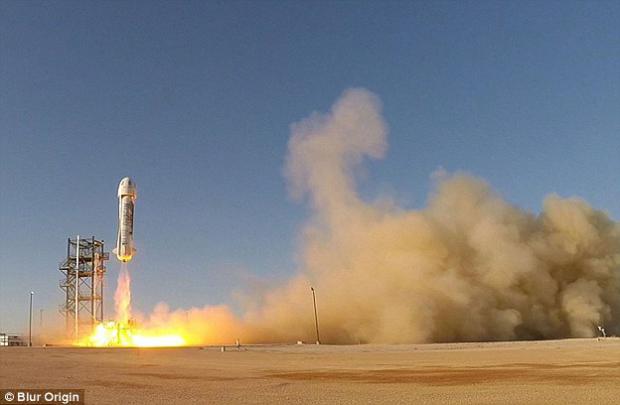
Just a day after revealing its shiny new engine, the BE-4, Blue Origin is showing off its latest rocket in a new video. Set to inspiring music and full of glistening graphics, the animated New Glenn rocket wiggles its landing fins before lifting off. In space, the payload and second stage separate from the main booster, and the latter falls back to Earth, firing its thrusters for a gentle landing on … a platform in the sea.
Although Blue Origin's New Shepard rocket beat SpaceX's Falcon 9 in traveling to space and returning for a vertical landing on solid ground, SpaceX has already mastered the art of sea landings, which are more difficult.
Sea landings make it a lot easier to reuse rockets, because about half of all launches end up flying over the ocean. You can either expend a lot of (heavy, expensive-to-launch) fuel returning the booster to land, or you can bring the landing platform to the booster, as SpaceX does with its drone ships.