










Breaking News
 Is Big Pharma Selling Postpartum Depression to New Moms?
 Make Men Men Again: Low T Is Now a National Defense Problem
 Druski: They're Lying To You About Overnight Success!
 $6.27 Diesel Just Hit Harvest. The Grocery Aisle Hasn't Felt It Yet.
Top Tech News
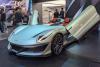 Tesla Model 3 killer charges from 10 to 97% in just 9 minutes
 World-first unpowered DNA computer sets speed record
 I Power 5 Buildings Off-Grid. Here's How
 The US government is pushing hard to get a working nuclear fission reactor into space by late 2028
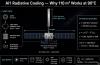 SpaceX Starmind AI in Space Radiator
 China Will Dominate Global Nuclear Energy Through 2035, Analyst Says
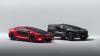 These Absolutely Wild-Looking EVs Are Saudi Arabia's First Homegrown Cars
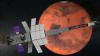 BEYOND THE MOON: NASA plans a nuclear-powered fleet to push DEEPER into space
 Big Oil Backs Mazama's $135 Million Bet On Superhot Geothermal
 Quantum compass takes flight on Northrop's Lumberjack drone


Meet the Self-Driving Car Built for Human-Free Racing
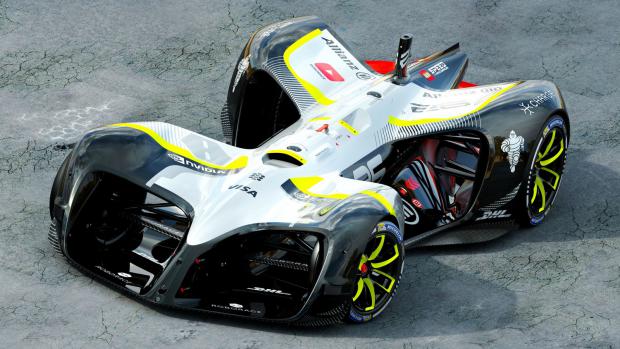
Foldaway steering wheels. Spinning seats. Screens everywhere you look. After all, things get wild when the human inside doesn't have to drive, or even look at the road, anymore. But when you take the human out of the car altogether, the design department can fully let loose.
"We want people to see this like a Tron, or an Oblivion, or a Star Wars spaceship," says Justin Cooke, chief marketing officer of Roborace.
Roborace, if you haven't figured it out, is the company starting the world's first motorsports serious for driverless cars. And today at Mobile World Congress in Barcelona, it showed off its star vehicle, which looks like it comes straight off the set of a high-budget sci-fi flick. The real-life, race-ready robocar resembles a crouching insect, ready to leap. The center of the body is just a narrow spine (no cockpit) and the four wheels (some things don't change) are tucked inside huge aerodynamic scoops.