










Breaking News
 Is Big Pharma Selling Postpartum Depression to New Moms?
 Make Men Men Again: Low T Is Now a National Defense Problem
 Druski: They're Lying To You About Overnight Success!
 $6.27 Diesel Just Hit Harvest. The Grocery Aisle Hasn't Felt It Yet.
Top Tech News
 Tesla Model 3 killer charges from 10 to 97% in just 9 minutes
 World-first unpowered DNA computer sets speed record
 I Power 5 Buildings Off-Grid. Here's How
 The US government is pushing hard to get a working nuclear fission reactor into space by late 2028
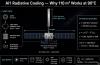 SpaceX Starmind AI in Space Radiator
 China Will Dominate Global Nuclear Energy Through 2035, Analyst Says
 These Absolutely Wild-Looking EVs Are Saudi Arabia's First Homegrown Cars
 BEYOND THE MOON: NASA plans a nuclear-powered fleet to push DEEPER into space
 Big Oil Backs Mazama's $135 Million Bet On Superhot Geothermal
 Quantum compass takes flight on Northrop's Lumberjack drone


The Coming Bitcoin Crackdown

Case in point: bitcoin.
As I pointed out in my Tech Trends for 2017 editorial, bitcoin regulation is going to be one of the dominant themes of the year. Indeed, that prediction has (unfortunately) already come true, with the EU Council proposing the registration of all bitcoin users under the guise of "anti-terrorism" legislation and the IRS' legal pursuit of information on all Coinbase users continuing to play out in the courts.
Check the newswire on any given day and you'll see any number of government regulators looking to get their regulatory mitts on the cryptocurrency:
Japan's new regulation regime for bitcoin and "other virtual currency" takes effect this April.
The Philippines' Central Bank just issued a circular detailing a raft of new regulatory requirements for virtual currency exchanges.
The Australian Digital Currency & Commerce Association has pre-empted the Aussie government by coming up with their own self-regulatory code of conduct.