










Breaking News
 Is Big Pharma Selling Postpartum Depression to New Moms?
 Make Men Men Again: Low T Is Now a National Defense Problem
 Druski: They're Lying To You About Overnight Success!
 $6.27 Diesel Just Hit Harvest. The Grocery Aisle Hasn't Felt It Yet.
Top Tech News
 Tesla Model 3 killer charges from 10 to 97% in just 9 minutes
 World-first unpowered DNA computer sets speed record
 I Power 5 Buildings Off-Grid. Here's How
 The US government is pushing hard to get a working nuclear fission reactor into space by late 2028
 SpaceX Starmind AI in Space Radiator
 China Will Dominate Global Nuclear Energy Through 2035, Analyst Says
 These Absolutely Wild-Looking EVs Are Saudi Arabia's First Homegrown Cars
 BEYOND THE MOON: NASA plans a nuclear-powered fleet to push DEEPER into space
 Big Oil Backs Mazama's $135 Million Bet On Superhot Geothermal
 Quantum compass takes flight on Northrop's Lumberjack drone


UK rail operators eye biometric ticketing future
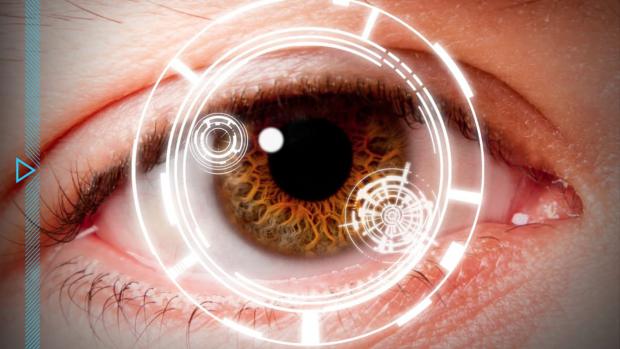
The strategy includes connected trains that communicate to avoid congestion and more frictionless gate entry through a Bluetooth-connected smartphone, and possibly one day, eye and fingerprint scanning.
The Rail Delivery Group, the body that represents Britain's passenger train companies, laid out the blueprint noting three key areas where technology can make things easier for passengers. One of these is a type of seat design that is claimed to allow 20 to 30 percent more seats in each carriage, along with another that changes its configuration during peak times to make space for 15 to 20 percent more seats. These will be built into existing trains this year.
Intelligent trains comprise a second area, which are self-regulating rail cars that will communicate with each other as a way of autonomously minimizing conflicts at junctions. The idea is that this will allow more frequent trips and fewer delays, and the UK government has committed £450 million (US$562 million) to trial a new signaling technology to that end.