










Breaking News
 Is Big Pharma Selling Postpartum Depression to New Moms?
 Make Men Men Again: Low T Is Now a National Defense Problem
 Druski: They're Lying To You About Overnight Success!
 $6.27 Diesel Just Hit Harvest. The Grocery Aisle Hasn't Felt It Yet.
Top Tech News
 Tesla Model 3 killer charges from 10 to 97% in just 9 minutes
 World-first unpowered DNA computer sets speed record
 I Power 5 Buildings Off-Grid. Here's How
 The US government is pushing hard to get a working nuclear fission reactor into space by late 2028
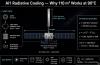 SpaceX Starmind AI in Space Radiator
 China Will Dominate Global Nuclear Energy Through 2035, Analyst Says
 These Absolutely Wild-Looking EVs Are Saudi Arabia's First Homegrown Cars
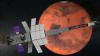 BEYOND THE MOON: NASA plans a nuclear-powered fleet to push DEEPER into space
 Big Oil Backs Mazama's $135 Million Bet On Superhot Geothermal
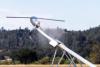 Quantum compass takes flight on Northrop's Lumberjack drone


Supersonic passenger jets might make a comeback, more than a decade after the last Concorde flight
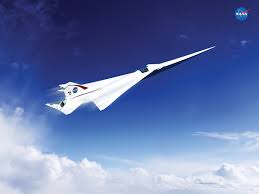
The beak-nosed, supersonic Concorde was once described by a British ambassador as the "flower of the aerospace industry."
But while the sleek plane could cut travel times in half, it was ultimately doomed by a combination of high maintenance expenses, a slower market for air travel after the Sept. 11 attacks and high ticket prices. A round-trip flight from London to New York could cost as much as $18,260 in today's dollars.
Now, almost 14 years after the Concorde's last flight, a handful of companies and entrepreneurs are betting that technological advances in materials and computing, as well as the boom in global business travel, could power a resurgence in economically viable supersonic passenger jets.
"We're benefiting from 50 years of progress in fundamental aerospace technology," said Blake Scholl, chief executive of Boom Technology Inc., a Centennial, Colo. start-up that's aiming to build a supersonic airliner called the Boom. "Since the Concorde was developed, the amount of international business and international travel has skyrocketed. You can find a huge market."