










Breaking News
 Is Big Pharma Selling Postpartum Depression to New Moms?
 Make Men Men Again: Low T Is Now a National Defense Problem
 Druski: They're Lying To You About Overnight Success!
 $6.27 Diesel Just Hit Harvest. The Grocery Aisle Hasn't Felt It Yet.
Top Tech News
 Tesla Model 3 killer charges from 10 to 97% in just 9 minutes
 World-first unpowered DNA computer sets speed record
 I Power 5 Buildings Off-Grid. Here's How
 The US government is pushing hard to get a working nuclear fission reactor into space by late 2028
 SpaceX Starmind AI in Space Radiator
 China Will Dominate Global Nuclear Energy Through 2035, Analyst Says
 These Absolutely Wild-Looking EVs Are Saudi Arabia's First Homegrown Cars
 BEYOND THE MOON: NASA plans a nuclear-powered fleet to push DEEPER into space
 Big Oil Backs Mazama's $135 Million Bet On Superhot Geothermal
 Quantum compass takes flight on Northrop's Lumberjack drone


Cardboard delivery drone has a one-way ticket
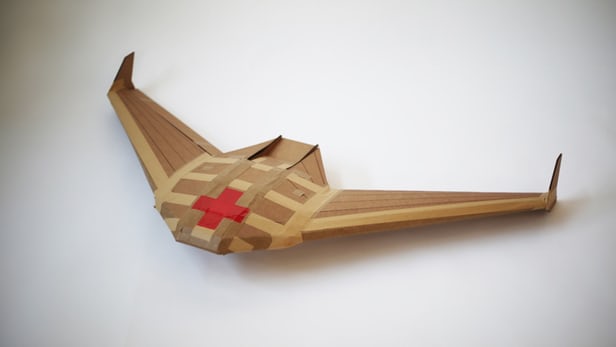
Once the goods have arrived, the drones biodegrade in a matter of days
In developing regions where lack of road infrastructure is problematic for those in the business of moving goods, drones are already having an impact. But also problematic is the fact that the people sending drones off to do the courier work kinda need them back again. A new cardboard drone being funded by DARPA won't concern itself with such limitations, with the ability to deliver vital goods and disappear soon after the job is done.
Back in 2015 we learned of a typically futuristic DARPA program called ICARUS, which stands for Inbound, Controlled, Air-Releasable, Unrecoverable Systems. As the title suggests, the name of the game is to develop small, single-use aircraft that can be deployed from larger aircraft, carry supplies to isolated locations and evaporate thereafter.