










Breaking News
 Is Big Pharma Selling Postpartum Depression to New Moms?
 Make Men Men Again: Low T Is Now a National Defense Problem
 Druski: They're Lying To You About Overnight Success!
 $6.27 Diesel Just Hit Harvest. The Grocery Aisle Hasn't Felt It Yet.
Top Tech News
 Tesla Model 3 killer charges from 10 to 97% in just 9 minutes
 World-first unpowered DNA computer sets speed record
 I Power 5 Buildings Off-Grid. Here's How
 The US government is pushing hard to get a working nuclear fission reactor into space by late 2028
 SpaceX Starmind AI in Space Radiator
 China Will Dominate Global Nuclear Energy Through 2035, Analyst Says
 These Absolutely Wild-Looking EVs Are Saudi Arabia's First Homegrown Cars
 BEYOND THE MOON: NASA plans a nuclear-powered fleet to push DEEPER into space
 Big Oil Backs Mazama's $135 Million Bet On Superhot Geothermal
 Quantum compass takes flight on Northrop's Lumberjack drone


Six Non-Cannabis Plants That Are High In Healing Cannabinoids
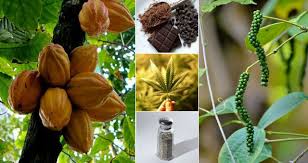
As interest in Cannabis' numerous medicinal uses continues to grow, research into the effects of Cannabinoids has also expanded in recent years. Cannabinoids – medicinal compounds that interact with specific and plentiful cell receptors – are found in numerous plants, many of which are not even closely related to cannabis. All Cannabinoids directly stimulate what is known as the Endocannabinoid System, a system composed of neuromodulatory lipids and Cannabinoid receptors located throughout the nervous system. These receptors can also be found in several different organs, glands, connective tissues, and even immune cells.
The two receptors of the endocannabinoid system are known as CB1 and CB2. CB1 is responsible for cannabis-related psychoactive effects and affects mood, memory, and appetite along with the modulation of immune responses. In contrast, CB2 inhibits inflammation, reduces pain and protects the liver from injury. Working together, these receptors provoke several health benefits, though some Cannabinoids activate only one type of receptor. However, cannabis – which contains over 65 Cannabinoids – is known to activate both simultaneously. Though this field of study is still years away from unraveling the mysteries of the endocannabinoid system, these six plants have expanded our understanding of the human body's response to several key cannabinoid compounds.
Even if you live in a place where access to medical marijuana is illegal, you can still reap the benefits of cancer-fighting cannabinoids by utilizing these other medicinal plants.
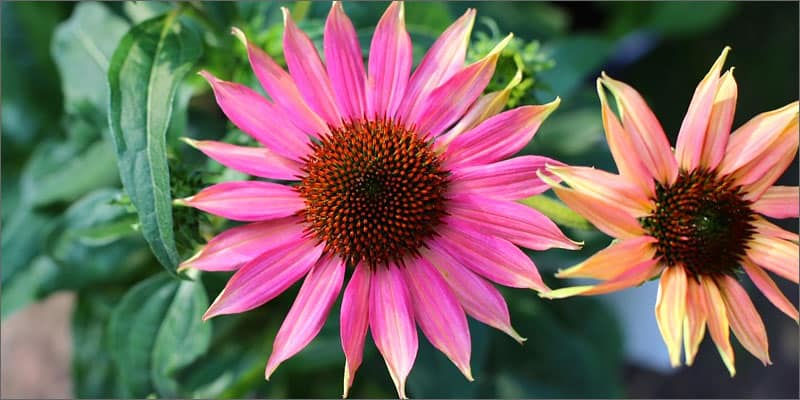
Credit – Herb.Co
As interest in Cannabis' numerous medicinal uses continues to grow, research into the effects of Cannabinoids has also expanded in recent years. Cannabinoids – medicinal compounds that interact with specific and plentiful cell receptors – are found in numerous plants, many of which are not even closely related to cannabis. All Cannabinoids directly stimulate what is known as the Endocannabinoid System, a system composed of neuromodulatory lipids and Cannabinoid receptors located throughout the nervous system. These receptors can also be found in several different organs, glands, connective tissues, and even immune cells.
The two receptors of the endocannabinoid system are known as CB1 and CB2. CB1 is responsible for cannabis-related psychoactive effects and affects mood, memory, and appetite along with the modulation of immune responses. In contrast, CB2 inhibits inflammation, reduces pain and protects the liver from injury. Working together, these receptors provoke several health benefits, though some Cannabinoids activate only one type of receptor. However, cannabis – which contains over 65 Cannabinoids – is known to activate both simultaneously. Though this field of study is still years away from unraveling the mysteries of the endocannabinoid system, these six plants have expanded our understanding of the human body's response to several key cannabinoid compounds.
1. Echinacea / Coneflower
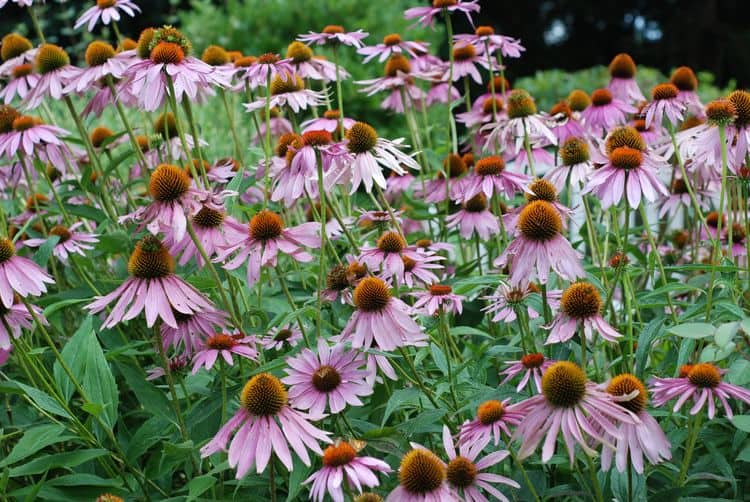
Credit – Diet of Life
One of the most widely known and used medicinal plants, Echinacea is a multi-purpose remedy with uses ranging from treating colds to boosting the immune system. It's also used to treat indigestion, ADHD, and urinary tract infections. Native to North American, indigenous tribes used the leaves and flowers of the plant chiefly as an analgesic to relieve fever and headaches while also acting as a pain reliever. One of the reasons for the plant's effectiveness in reducing pain and inflammation is due to its ability to bind to CB2 receptors in the brain. Though echinacea doesn't contain the same cannabinoids as marijuana, it contains N-alkylamines which bind to the receptors with an affinity similar to THC.
2. Electric Daisy
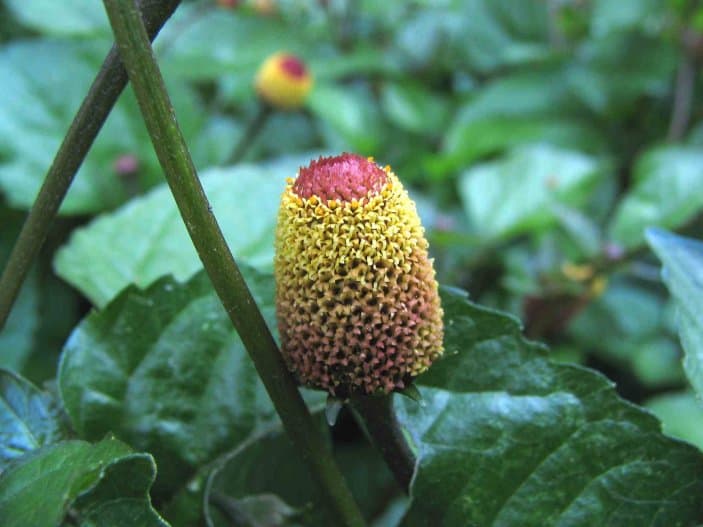
Another natural analgesic, this time native to the Amazon river basin, also binds to cannabinoid receptors in the brain. The electric daisy (Acmella oleracea) has been traditionally used for centuries to treat ulcers, digestive problems, abscesses, and toothaches. However, recent studies have sealed its reputation as an extremely effective pain-killer as certain cannabinoid compounds found in the plant, known as N-Isobutylamides, were found to successfully block pain receptors in nerve cells. Just like those compounds found within echinacea, the cannabinoid-like compounds in the electric daisy bind to CB2 receptors.
3. Woolly Umbrella Helichrysum
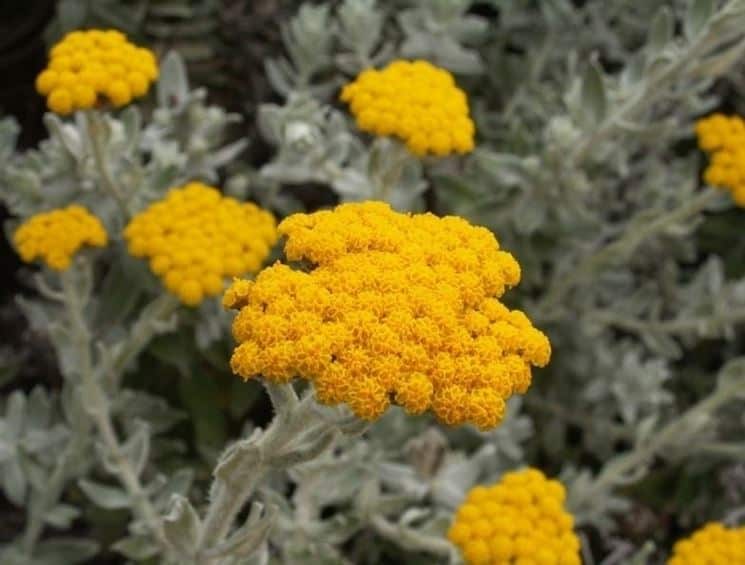
Native to Southeastern Africa, this species of African daisy has been used extensively for both medicinal and culinary purposes. Though many other African daisies are used for anti-fungal infections and wound-healing, this particular variety acts as both a mood stabilizer and antidepressant, largely due to its high content of cannabigerol. Italian Chemist Giovanni Appendino explained during the 2014 International Cannabinoid Research Society meeting that cannabigerol is a precursor chemical to THC, CBD, and CBC – some of the active cannabinoids found in Marijuana.
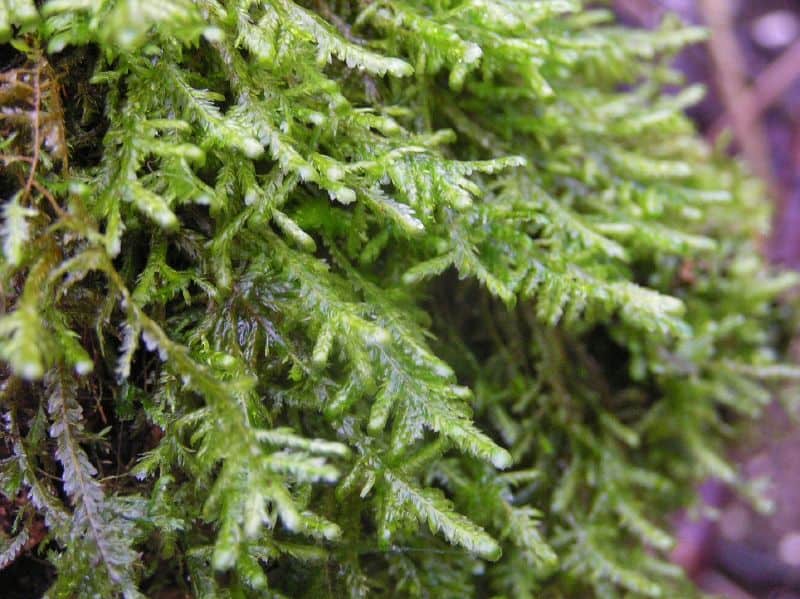
4. Liverwort
Credit – Diet of Life
The Woolly Umbrella Helichrysum is not the only plant containing significant amounts of cannabigerol – Liverwort also boasts high levels of this potent cannabinoid. Hailing from New Zealand, liverwort also contains another cannabinoid-type bibenzyl compound called perrottetinenic acid which binds to CB1 receptors. Despite this, use of liverwort is not associated with psychotropic effects even though perrottetinenic acid is striking similar to THC. Liverwort's unique mix of compounds may explain its effectiveness in treating bronchitis as well as in healing gallbladder, liver, and bladder problems.