










Breaking News
 Those That Were Considered To Be "Dirt Poor" In 1987 Would Be Considered To Be Very Wealth
The Pedophile Protector-In-Chief Called Out On FOX News
 Josh Howerton - The War for Christianity | SRS #327
 Camp David Clash: Trump Hammered Hegseth For Misleading Him On Arms Supply, WaPo Reports
Top Tech News
 Voyager 1 approaches one light day from Earth
 Visual Implants
 Renewable Energy Breakthrough! World's Most Efficient Tesla Turbine System
 I Told You So
 Meet Sunbird, a nuclear fusion-powered space tug concept from Pulsar Fusion.
 China and Russia launch 29-nation AI alliance to rival western control of technology
 BREAKING: China has begun manufacturing domestically developed Immersion Deep...
 Idaho's High Desert Becomes Hot Spot For Nuclear Power Revolution
 The World's Largest Electric Aircraft Is About to Take Its First Flight
 Tesla Cybercabs and Superchargers Will Act as Mini Cell Towers for SpaceX Starlink



It took thousands of years, but we finally have a digital sundial
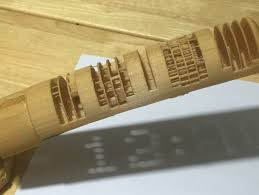
From around 1500 BCE, right up to the 14th century, many of our ancestors figured out the time using a sundial - you know, those triangular devices that cast a shadow on a dial below, revealing what hour it was.
They might not be as accurate as the clocks we have today, but sundials still work based on the simple premise of the Sun's predictable shift in position as our planet spins. And now a French engineer has finally brought the device into the digital age, creating a 3D-printed sundial that displays the time in '80s-style digital-style numbers.