










Breaking News
 California Declares State Of Emergency Ahead Of Strong El Niño
 'Pausing' Intensifies: OpenAI Unleashes Latest Model Minutes After Dario Dumps Magnum Opus
 Trump Calls For Diesel Export Ban After 3-Hour 'Very Productive' Iran Talks
 Wendy's faces 300 closures across 15 states due to crippling beef prices
Top Tech News
 BEYOND THE MOON: NASA plans a nuclear-powered fleet to push DEEPER into space
 Big Oil Backs Mazama's $135 Million Bet On Superhot Geothermal
 Quantum compass takes flight on Northrop's Lumberjack drone
 Terrifying AI Behavior Even Its Creators Couldn't Explain
 WW3 Near-Miss? AI Hallucinated Nuclear Weapons Components Aboard Chinese Vessel Bound For Iran
 Stripe Is Building the Toll Road for the Machine Economy
 Toyota Dakar hopeful swaps twin-turbo V6 for hydrogen fuel cells
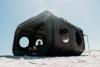 4-min turbo-inflatable cubic camp castle is now available in the USA
 Researchers Used Claude To Hack OpenAI Employee Accounts
 Chinese Scientists Develop New Oil Refining Method That Cuts Energy Use by 90%



Off-grid flatpack cabins would assemble like Ikea furniture
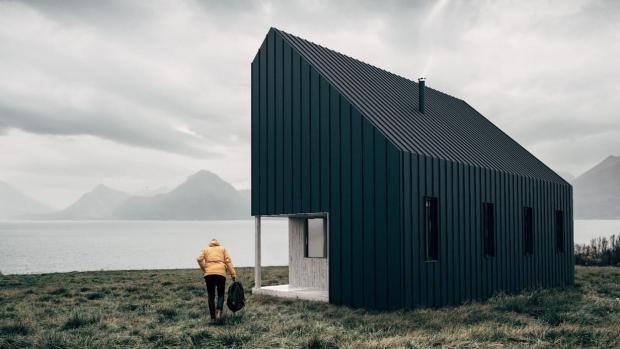
The cabins will come clad in a metal shell and be offered in several sizes. The smallest will measure just 191 sq ft (17 sq m) and sleep up to four people. The largest will come in at a palatial 937 sq ft (87 sq m) and sleep up to 24 people.
Inside, the cabins will include a lounge, kitchen, dining area, bathroom, and one or more bedrooms, spread over two floors. They will also be offered in two main configurations: Backcountry, which will allow full off-grid use in rural areas, and Frontcountry, which will be erected in semi-rural or built-up areas and serve as full-time homes.
The firm envisions the Backcountry models as being relatively utilitarian and outfitted with bunk beds, while the Frontcountry models would be a little more plush, reflecting their use as full-time homes.