










Breaking News
 THEY OWN THE OFFSPRING | Gene-Edited Livestock Are Here
 Ben Shapiro to America: Shut Up and Eat Your Goyslop
 The Homeless Industrial Complex:
 The Lucid Cosmos Will Have More Range Than Any Tesla
Top Tech News
 Vitalik Buterin Says Ethereum Is Betting Its Future On Quantum Security And AI
 Everything You Wanted To Know About Building A Cheap AI Setup (That Still Works)...
 If They Were Human, They'd Be Arrested. Experts Respond To Rogue AI Breaches
 Sodium Ion Batteries Will be 80% Cheaper & Last LONGER!
 German startup SAXON Q has introduced a diamond-based quantum computing system...
 Elon Musk To Build The Largest Building In The World - 100 Million Square Feet
 Bitcoin 'Red Team' Says AI Is Finding 100s Of Critical Exploits Across Core Projects
 EG4 Power Pro VS Ruixu Lithi VS Yixiang Budget Battery! Best Selling Battery Showdown!
 Insect wings can kill bacteria without any chemicals!
 Tesla Never Made An Electric Jet Boat, So This YouTuber Built One Himself



Frankincense oil kills cancer cells while boosting the immune system, studies show
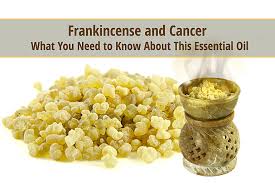
(NaturalNews) Frankincense is a powerful medicinal oil that can not only boost the immune system but also kill cancer cells, a number of studies have shown.
One of the most significant recent studies was conducted by researchers from the University of Leicester, England, in 2013. The researchers found that the naturally occurring frankincense compound acetyl-11-keto-beta-boswellic acid (AKBA) targeted and destroyed ovarian cancer cells. The findings were particularly significant because they showed that AKBA had this effect even in late-stage ovarian cancer patients, not just in laboratory trials performed on isolated cells.
"Frankincense is taken by many people with no known side effects," lead researcher Kamla Al-Salmani said. This finding has enormous potential to be taken to a clinical trial in the future and developed into an additional treatment for ovarian cancer."
Kills cancer and reduces radiation side effects
The Leicester findings build on a large and still growing body of evidence that frankincense and its compounds have powerful immune-boosting and cancer-fighting benefits.
A study published in BMC Complementary and Alternative Medicine in 2009, for example, found that the herbal form of frankincense triggered death in bladder cancer cells by activating several different cellular pathways. Another study, conducted by researchers from Nihon University in Tokyo and published in Biological and Pharmaceutical Bulletin, showed that several chemical components of frankincense were able to kill three separate human neuroblastoma cell lines. The same study also found that frankincense inhibited the growth of Epstein-Barr virus.
Neuroblastoma is a type of cancer that forms in nerve cells and primarily affects young children. Other studies have shown that frankincense and its components can kill cancers of the brain, breast, colon, pancreas, prostate and stomach.
Frankincense may also help mitigate the often-debilitating side effects of cancer treatment. One study, published in the journal Cancer in 2011, was performed on brain cancer patients experiencing cerebral edema (swelling) as a side effect of radiation therapy. The researchers found that 60 percent of participants given frankincense experienced a 75 percent reduction in cerebral swelling, a potent enough result for the authors to recommend frankincense as a potential alternative to steroids, the current favored treatment. Side effects of steroids can include headaches, blurred vision and migraines.
All-around immune booster
Frankincense's cancer-fighting benefits seem to come, in part, from its potent effects on the immune system. One study, conducted by researchers from Baylor University Medical Center, found that acts upon the expression of genes that help regulate the immune system, leading to cancer cell death. Another study, published in Phytotherapy Research, found that mice given frankincense exhibited increases in several key markers of immune function, primarily levels of white blood cells (lymphocytes) and anti-inflammatory activity.
Numerous studies have confirmed frankincense as a powerful anti-inflammatory. This, along with its other immune-boosting properties, may in part explain its usefulness in fighting infection and in treating autoimmune conditions such as asthma, rheumatoid arthritis and inflammatory bowel disease (IBD).
Frankincense can also be used to heal skin, including from acne and scarring, and can reduce anxiety levels.