










Breaking News
 Is Big Pharma Selling Postpartum Depression to New Moms?
 Make Men Men Again: Low T Is Now a National Defense Problem
 Druski: They're Lying To You About Overnight Success!
 $6.27 Diesel Just Hit Harvest. The Grocery Aisle Hasn't Felt It Yet.
Top Tech News
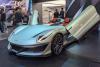 Tesla Model 3 killer charges from 10 to 97% in just 9 minutes
 World-first unpowered DNA computer sets speed record
 I Power 5 Buildings Off-Grid. Here's How
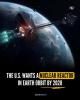 The US government is pushing hard to get a working nuclear fission reactor into space by late 2028
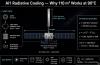 SpaceX Starmind AI in Space Radiator
 China Will Dominate Global Nuclear Energy Through 2035, Analyst Says
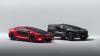 These Absolutely Wild-Looking EVs Are Saudi Arabia's First Homegrown Cars
 BEYOND THE MOON: NASA plans a nuclear-powered fleet to push DEEPER into space
 Big Oil Backs Mazama's $135 Million Bet On Superhot Geothermal
 Quantum compass takes flight on Northrop's Lumberjack drone


Solar Impulse Just Completed Its Momentous Flight Around the World
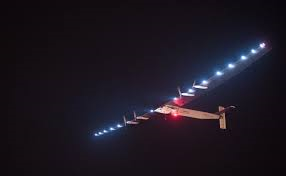
OK, so the 22,000-mile trip took a minute: The solar-powered bird lifted off from the same city in March 2015. But despite a few setbacks, the plane and Swiss pilot Bertrand Piccard (who took shifts with fellow flyer André Borschberg) touched down without incident.
Solar Impulse 2 is a seriously nifty machine. Its 236-foot wingspan makes it wider than a Boeing 747, but the thing is just 5,000 pounds. 17,000 rigid, photovoltaic panels charge four uber-efficient batteries, which make up nearly a third of the weight. Its four 17.4-horsepower motors definitely aren't the fastest: The plane tops out around 90 mph, and traveled at an average of 38 mph across the Pacific. (Yeah, we'd honk at it on the highway, too.)