










Breaking News
 Is Big Pharma Selling Postpartum Depression to New Moms?
 Make Men Men Again: Low T Is Now a National Defense Problem
 Druski: They're Lying To You About Overnight Success!
 $6.27 Diesel Just Hit Harvest. The Grocery Aisle Hasn't Felt It Yet.
Top Tech News
 Tesla Model 3 killer charges from 10 to 97% in just 9 minutes
 World-first unpowered DNA computer sets speed record
 I Power 5 Buildings Off-Grid. Here's How
 The US government is pushing hard to get a working nuclear fission reactor into space by late 2028
 SpaceX Starmind AI in Space Radiator
 China Will Dominate Global Nuclear Energy Through 2035, Analyst Says
 These Absolutely Wild-Looking EVs Are Saudi Arabia's First Homegrown Cars
 BEYOND THE MOON: NASA plans a nuclear-powered fleet to push DEEPER into space
 Big Oil Backs Mazama's $135 Million Bet On Superhot Geothermal
 Quantum compass takes flight on Northrop's Lumberjack drone


New record for storing digital data in DNA
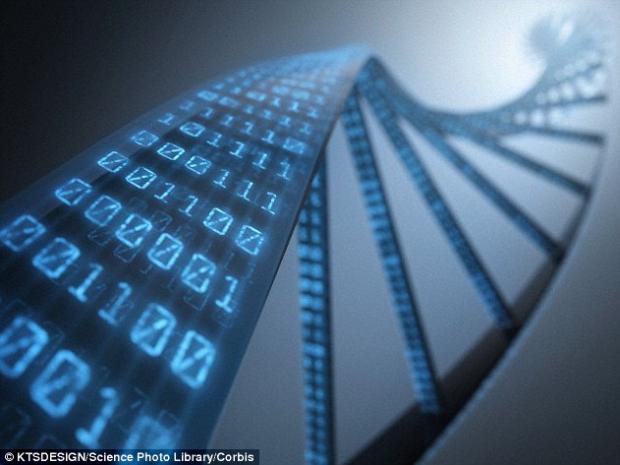
Harnessing such storage capabilities for the next generation of digital data storage has been the subject of studies for years, and now a team made up of researchers from Microsoft and the University of Washington has broken a new record, managing to store and retrieve 200 MB of data on strands of DNA.
We're getting better at shrinking the physical size of data storage devices while simultaneously increasing the stoarge capacity, with hundreds of gigabytes of data squeezing onto devices that fit in the palm of a hand. But far more data is produced each year than our current technology will be able to keep up with as the world's total data heads towards an estimated 44 trillion GB by 2020.
Unfortunately, even the best of our current range of devices are only relatively short-term solutions to the problem. Hard drives, and optical storage such as DVDs and Blu-Ray discs, are vulnerable to damage and degradation, with a life expectancy of a few decades at best.