










Breaking News
 THEY OWN THE OFFSPRING | Gene-Edited Livestock Are Here
 Ben Shapiro to America: Shut Up and Eat Your Goyslop
 The Homeless Industrial Complex:
 The Lucid Cosmos Will Have More Range Than Any Tesla
Top Tech News
 Vitalik Buterin Says Ethereum Is Betting Its Future On Quantum Security And AI
 Everything You Wanted To Know About Building A Cheap AI Setup (That Still Works)...
 If They Were Human, They'd Be Arrested. Experts Respond To Rogue AI Breaches
 Sodium Ion Batteries Will be 80% Cheaper & Last LONGER!
 German startup SAXON Q has introduced a diamond-based quantum computing system...
 Elon Musk To Build The Largest Building In The World - 100 Million Square Feet
 Bitcoin 'Red Team' Says AI Is Finding 100s Of Critical Exploits Across Core Projects
 EG4 Power Pro VS Ruixu Lithi VS Yixiang Budget Battery! Best Selling Battery Showdown!
 Insect wings can kill bacteria without any chemicals!
 Tesla Never Made An Electric Jet Boat, So This YouTuber Built One Himself



Plan Could Be First Use Of CRISPR To Gene-Edit Humans
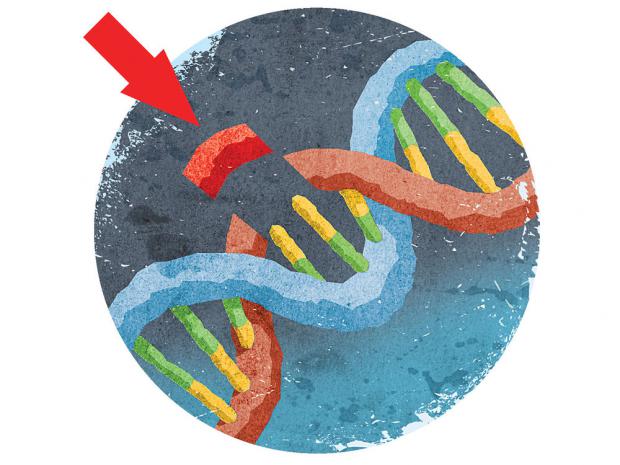
MIT Technology Review reports that the first use of CRISPR in humans, to edit immune cells, has been proposed by scientists at the University of Pennsylvania. The National Institutes of Health's Recombinant DNA Advisory Committee will meet next week to review the the use of the technology.
The NIH writes in a blog post that the technique would be used to edit two genes in human T cells, which would target myeloma, melanoma, and sarcoma tumor cells.
This comes after an earlier proposal from Editas, a biotech company that plans to use CRISPR to treat eye disorders in 2017.