










Breaking News
 India's Essar Group to invest $18 billion in US, build largest steel plant in American history
 US nuclear pact puts Saudi Arabia on path to the bomb
 "De-Globalization Endgame": Deutsche Bank Warns Historic Copper Squeeze Could Ignite 50% R
 Leaked Anthropic IPO Prospectus Shows $42BN Net Loss, $518BN In Unfunded Spending...
Top Tech News
 Tesla Model 3 killer charges from 10 to 97% in just 9 minutes
 World-first unpowered DNA computer sets speed record
 I Power 5 Buildings Off-Grid. Here's How
 The US government is pushing hard to get a working nuclear fission reactor into space by late 2028
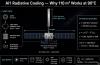 SpaceX Starmind AI in Space Radiator
 China Will Dominate Global Nuclear Energy Through 2035, Analyst Says
 These Absolutely Wild-Looking EVs Are Saudi Arabia's First Homegrown Cars
 BEYOND THE MOON: NASA plans a nuclear-powered fleet to push DEEPER into space
 Big Oil Backs Mazama's $135 Million Bet On Superhot Geothermal
 Quantum compass takes flight on Northrop's Lumberjack drone


Robot which can choose to harm humans sparks artificial intelligence debate
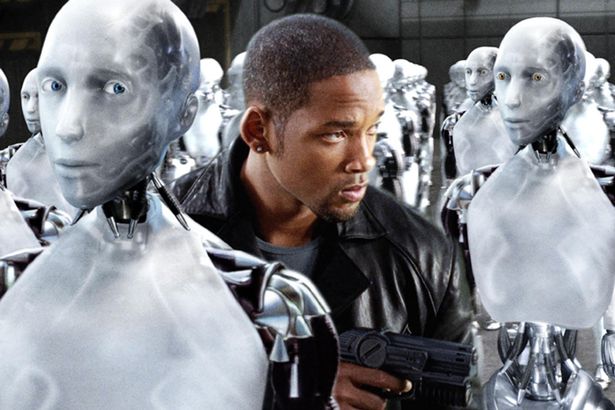
A robot which has the capacity to decide it will inflict pain on humans has been invented - breaking one of the standard rules for artificial intelligence.
From Will Smith movie I, Robot, one of the laws of robotics is commonly considered to be that it cannot injure humans.
But scientists and artist Alexander Reben has invented "The First Law", a robot named for the very rule it breaks.
The basic robot is programmed to be capable of pricking a human's finger.
However, as Mr Reben is intending to provoke discussion on AI, The First Law will not 'decide' to inflict pain every time.
"The robot makes a decision that I as a creator cannot predict - it's causing pain that's not for a useful purpose - we are moving into an ethics question, robots that are specifically built to do things that are ethically dubious."