










Breaking News
 Is Big Pharma Selling Postpartum Depression to New Moms?
 Make Men Men Again: Low T Is Now a National Defense Problem
 Druski: They're Lying To You About Overnight Success!
 $6.27 Diesel Just Hit Harvest. The Grocery Aisle Hasn't Felt It Yet.
Top Tech News
 Tesla Model 3 killer charges from 10 to 97% in just 9 minutes
 World-first unpowered DNA computer sets speed record
 I Power 5 Buildings Off-Grid. Here's How
 The US government is pushing hard to get a working nuclear fission reactor into space by late 2028
 SpaceX Starmind AI in Space Radiator
 China Will Dominate Global Nuclear Energy Through 2035, Analyst Says
 These Absolutely Wild-Looking EVs Are Saudi Arabia's First Homegrown Cars
 BEYOND THE MOON: NASA plans a nuclear-powered fleet to push DEEPER into space
 Big Oil Backs Mazama's $135 Million Bet On Superhot Geothermal
 Quantum compass takes flight on Northrop's Lumberjack drone


Doctor's Plan for Full-Body Transplants Raises Doubts Even in Daring China
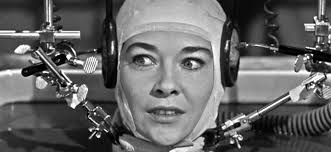
Mr. Wang, a 62-year-old retired gas company worker, is one of several people in China who have volunteered for a body transplant at a hospital in the northern Chinese city of Harbin.
The idea for a body transplant is the kind of thinking that has experts around the world alarmed at how far China is pushing the ethical and practical limits of science. Such a transplant is impossible, at least for now, according to leading doctors and experts, including some in China, who point to the difficulty of connecting nerves in the spinal cord. Failure would mean the death of the patient.
The orthopedic surgeon proposing the operation, Dr. Ren Xiaoping of Harbin Medical University, who assisted in the first hand transplant in the United States in 1999, said he would not be deterred. In an interview, Dr. Ren said that he was building a team, that research was underway and that the operation would take place "when we are ready."