










Breaking News
 Common Blood Pressure Drug Recalled Nationwide, FDA Says
 Will AstraZeneca Have to Pay Medical Expenses for Woman Injured During COVID Vaccine Trial?
 New Jersey Bans Grocers From Building a Surveillance Economy
 Last Week Was the Warning... What Comes Next Is Bigger
Top Tech News
 Vitalik Buterin Says Ethereum Is Betting Its Future On Quantum Security And AI
 Everything You Wanted To Know About Building A Cheap AI Setup (That Still Works)...
 If They Were Human, They'd Be Arrested. Experts Respond To Rogue AI Breaches
 Sodium Ion Batteries Will be 80% Cheaper & Last LONGER!
 German startup SAXON Q has introduced a diamond-based quantum computing system...
 Elon Musk To Build The Largest Building In The World - 100 Million Square Feet
 Bitcoin 'Red Team' Says AI Is Finding 100s Of Critical Exploits Across Core Projects
 EG4 Power Pro VS Ruixu Lithi VS Yixiang Budget Battery! Best Selling Battery Showdown!
 Insect wings can kill bacteria without any chemicals!
 Tesla Never Made An Electric Jet Boat, So This YouTuber Built One Himself



Homeopathy could SAVE healthcare by drastically lowering costs for safer treatments ...
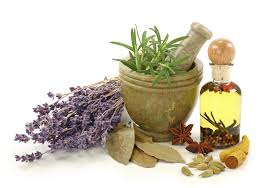
(NaturalNews) Doctors are starting to find out that homeopathy can improve patient outcomes. Dr. Helen Beaumont, from the Faculty of Homeopathy, points out that homeopathy provides more affordable treatments tailored to the individual patient. She claims that by adopting homeopathic practices and training, the entire NHS could be saved from financial ruin. Doctors trained in homeopathy are often vilified as "quacks," but a growing body of evidence suggests that homeopathy is more than just a placebo. As the NHS faces steep financial challenges, health leaders are looking for ways to save money and improve care.
Homeopathy: more than just a placebo
Many health professionals have a poor view of homeopathy because of a 2010 report by the House of Commons Science and Technology Committee. Even though only four of the 15 members voted, and the government ultimately rejected the report, it became the standard by which health professionals viewed homeopathy. The published report plainly stated that homeopathic remedies are no better than placebos. Since then, homeopathy has faced sharp criticism, even at a time when the prescription drug model is in full suicide mode.
Despite the attacks on homeopathy, the profession is growing in a positive way. There are now about 800 members of the Faculty of Homeopathy. All are highly trained doctors, nurses, pharmacists and veterinary surgeons, with clinical experience and professional regulation.
It is estimated that over 200 million people worldwide access homeopathy as an important part of their healthcare. Homeopathic medicine can be used for acute or chronic conditions, including but not limited to: persistent coughs, irritable bowel syndrome, chronic fatigue, eczema, depression, menopause, Crohn's disease, multiple sclerosis, rheumatoid arthritis, hay fever and asthma. Homeopaths use various ointments, sprays, creams, liquids and tablets as remedies.
To the surprise of some, homeopathy has better patient reported outcome measures (PROMs) than conventional medicine. In the NHS, homeopathy is becoming more readily available. General practitioners can now refer patients for homeopathic treatment. There are hospitals in Glasgow and London dedicated to integrated care, and that includes homeopathy.