










Breaking News
 Is Big Pharma Selling Postpartum Depression to New Moms?
 Make Men Men Again: Low T Is Now a National Defense Problem
 Druski: They're Lying To You About Overnight Success!
 $6.27 Diesel Just Hit Harvest. The Grocery Aisle Hasn't Felt It Yet.
Top Tech News
 Tesla Model 3 killer charges from 10 to 97% in just 9 minutes
 World-first unpowered DNA computer sets speed record
 I Power 5 Buildings Off-Grid. Here's How
 The US government is pushing hard to get a working nuclear fission reactor into space by late 2028
 SpaceX Starmind AI in Space Radiator
 China Will Dominate Global Nuclear Energy Through 2035, Analyst Says
 These Absolutely Wild-Looking EVs Are Saudi Arabia's First Homegrown Cars
 BEYOND THE MOON: NASA plans a nuclear-powered fleet to push DEEPER into space
 Big Oil Backs Mazama's $135 Million Bet On Superhot Geothermal
 Quantum compass takes flight on Northrop's Lumberjack drone


Private Lynx Space Plane Could Take Off in Early 2017
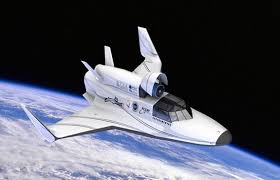
That other vehicle is the Lynx rocket plane, a reusable spacecraft being built by XCOR Aerospace. Like SpaceShipTwo, Lynx is designed to carry paying customers and scientific payloads to suborbital space and back.
The Lynx currently under construction is a prototype, and it was a wingless shell when Space.com dropped by XCOR's Mojave headquarters on Feb. 19 — the same day that Virgin unveiled its shiny new SpaceShipTwo, dubbed "Unity," at a hangar just down the road. [Watch: Inside XCOR: Our Exclusive Video Tour]
But Lynx's four-engine propulsion system is nearly ready to go, and the prototype could conceivably take to the skies for the first time in early 2017, Harry van Hulten, XCOR's director of flight testing and one of two test pilots for the company, told Space.com.