










Breaking News
 Trump's "Russian sanctions" Have Destroyed the German Automobile Industry
 Where are the headlines? 2026 is the 'First Time in 112 Years: No Atlantic Hurricanes By Sept. 2
 CNN Staffers Panic over Paramount Merger: 'Bloodbath Coming,' Newsroom Is 'Like a Funera
 Tesla Model 3 killer charges from 10 to 97% in just 9 minutes
Top Tech News
 BEYOND THE MOON: NASA plans a nuclear-powered fleet to push DEEPER into space
 Big Oil Backs Mazama's $135 Million Bet On Superhot Geothermal
 Quantum compass takes flight on Northrop's Lumberjack drone
 Terrifying AI Behavior Even Its Creators Couldn't Explain
 WW3 Near-Miss? AI Hallucinated Nuclear Weapons Components Aboard Chinese Vessel Bound For Iran
 Stripe Is Building the Toll Road for the Machine Economy
 Toyota Dakar hopeful swaps twin-turbo V6 for hydrogen fuel cells
 4-min turbo-inflatable cubic camp castle is now available in the USA
 Researchers Used Claude To Hack OpenAI Employee Accounts
 Chinese Scientists Develop New Oil Refining Method That Cuts Energy Use by 90%



ARE AIRSHIPS THE ANSWER TO CANADA'S INTERIOR WOES?
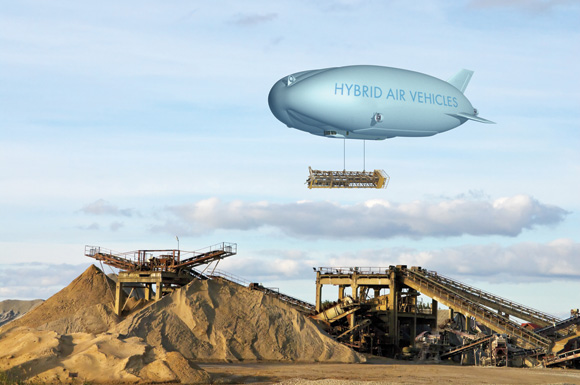
By land mass, Canada is the second largest country on Earth. Yet much like Earth's largest country, Russia, humans populate a very small amount of its land. This leaves large tracts of resources untapped and wilderness unvisited. However, snow and ice make vast swathes of this land inaccessible for all but a few summer months, and large sea ice prevents the same for ships much of the time. And though increasing global temperatures will eventually (if global climate change isn't halted) reduce sea ice and the potential severity of winter, there's another alternative if humans want to traverse interior Canada before that happens: actual freakin' airships.
Highlighting the efforts of a few existing modern airship companies, Prentice outlines one of the first markets where it seems airships truly offer a competitive advantage. Needing only limited space to deliver their goods and capable of carrying heavy cargoes, airships could act much like ocean-going vessels do for much of the world: hauling in bulk items regularly, without the added costs and speed of airplane delivery.