










Breaking News
 Leaked phone call confirms the WNBA is in deep sh*t…
 Why Not Just Admit It? The Welfare-Warfare State Has Failed.
 700 OpenAI Bots Took Part in Massive Hacking Attack
 ICE arrests explode as Trump hands cops sweeping new powers...
Top Tech News
 Singapore is experimenting with biological computing using living human neurons...
 It's Happening - Europe is Building an Impossible Fusion Reactor
 Portable 1MW Kaleidos Microreactor Secures Critical Nuclear Fuel Deal Through 2030s
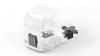 This New All-In-One Range Extender Is Ready To Go Into Any Electric Truck
 Aptera Reveals The Secret To Building Its Solar EV: China
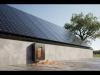 High-voltage sodium home battery emerges as affordable rooftop solar solution
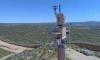 Peter Thiel-Funded Company Anduril to Triple the Number of Autonomous Surveillance...
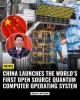 China has released Origin Pilot, claimed to be the world's first open-source operating system...
 ShieldAI XBAT Drone Fighters Can Give A Fighter Drone Wing to Every US Destroyer
 Brain organoids, kept alive more than five years, matured like human brains



China's Solar Boom Hits A Wall As Industry Losses Mount
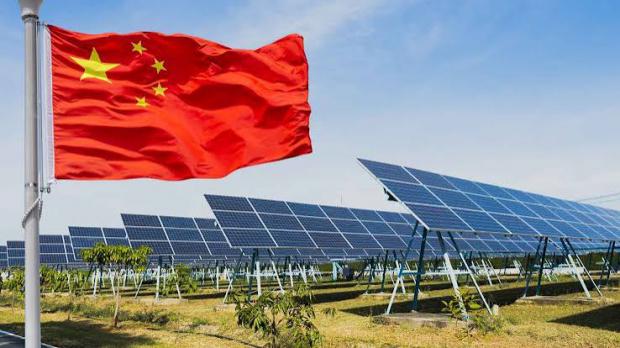
Jinko Solar, JA Solar Technology, and Tongwei all reported six-month losses as overcapacity in the sector meets weakening demand, not only at home but also abroad, Bloomberg reported, citing statements made by the companies at their financial results releases.
The report noted new solar power capacity additions in China had shrunk to 72.07 GW over the first half of the year, compared with 212.2 GW a year earlier. Part of the decline was due to the rush to connect projects before China's June 1, 2025 electricity-pricing reform, which caused an extraordinary 2025 base.
"The full impact of policies requires a longer period for transmission and validation," JA Solar said, as quoted by Bloomberg. "In the short term, the actual effects of capacity reduction and consolidation have not yet fully emerged, and the industry as a whole still faces temporary and structural overcapacity issues."
Meanwhile, the U.S. tariff war on major trade partners affected demand for Chinese solar equipment abroad as well, adding to the pain for the industry leaders. Some of that pain was created by the government in Beijing, which canceled an export tax rebate for solar manufacturers in April.
"Trade barriers in overseas markets have been comprehensively upgraded, and traditional export channels are facing a reshaping," Jinko Solar said.
China's solar equipment exports declined by 21.4% last month from a year earlier, according to Chinese customs data, demonstrating the effect of local and foreign legislative changes.
Meanwhile, total solar power capacity in China is set to overtake the country's coal capacity, despite the slowdown in new additions. As of the end of June, solar power capacity stood at 1,274 gigawatts, just below the total coal-fired installed capacity of 1,275 GW.